Reading view

SANTORINI, NAXOS & ATHENS

Many people have realised that there is more to Greece than just Santorini and Mykonos. Naxos has become a perennial favourite in the past few years and is a great combination with Santorini, with easy connections. This Santorini, Naxos and Athens itinerary covers everything you need to make this trip a reality, including time frames, transport, activities, dining suggestions, and lots more!

PLANNING A TRIP TO GREECE?

Feeling overwhelmed? Be sure to check out our complete Planning Guide as well as our FREE 13-page downloadable itinerary.

You may even want to book a private session with me – I’ve helped almost 400 others this way!

And come join our private Facebook Group where you can ask questions and get advice from real travellers!

Note: This article may contain affiliate links.
When to visit Greece 

The best times to visit Greece are April-June and September-October. The weather is mild and most places have few crowds. High season is late June to early September, and prices will reflect that as will the crowds, the number of cruise ships and accommodation availability.

Summer is still great, especially for beach time and in some of the lesser-known spots. The water is warm, there are blue skies every day and a fun holiday atmosphere. 

 Important travel essentials for Greece

Basic Facts about Greece

 Greece is actually known as Hellas, with its official name being the Hellenic Republic “Helliniki Dimokratia”. It covers 132,000 sq kilometres of land, including 227 inhabited islands. The population is just over 10 million people.

The religion is Eastern Orthodox ( Christian) , they drive on the right-hand side of the road, and the calling code is +30.

What to see and do in Greece

Greece has many incredible destinations and is considered home to some of the most beautiful and interesting sites in the world. There are 19 UNESCO World Heritage Sites with another 16 under consideration.

There are 6 island groups – the Cyclades, the Dodacannese, the Saronic islands, the Sporades Islands, the Northern Aegean islands, the Ionian Islands, and Crete, so island hopping in the Greek Islands might be popular but it does require some research, as most of these groups do not connect with each other by ferry or flights.

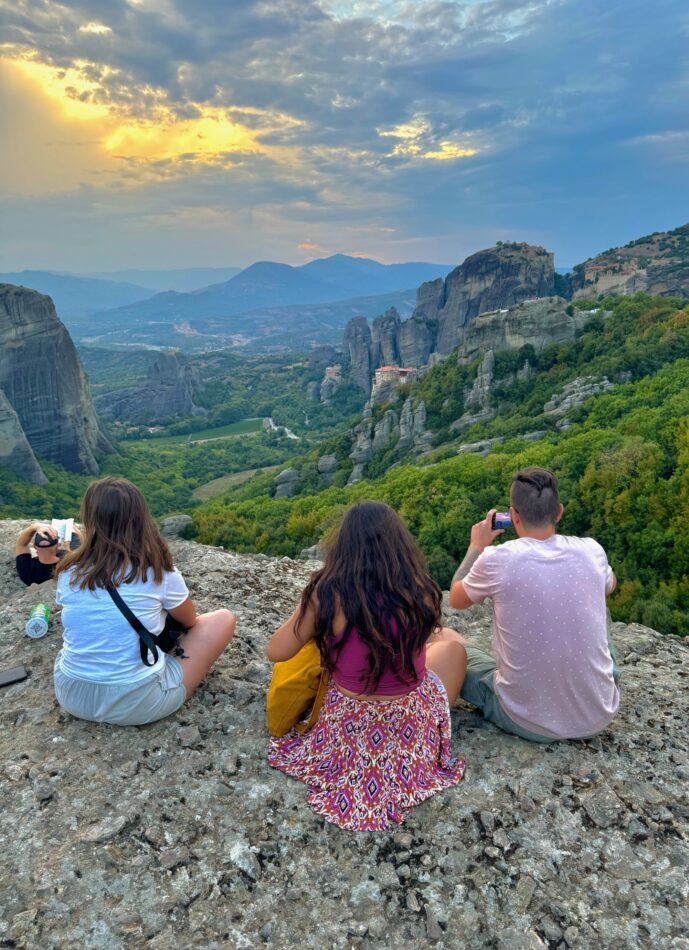
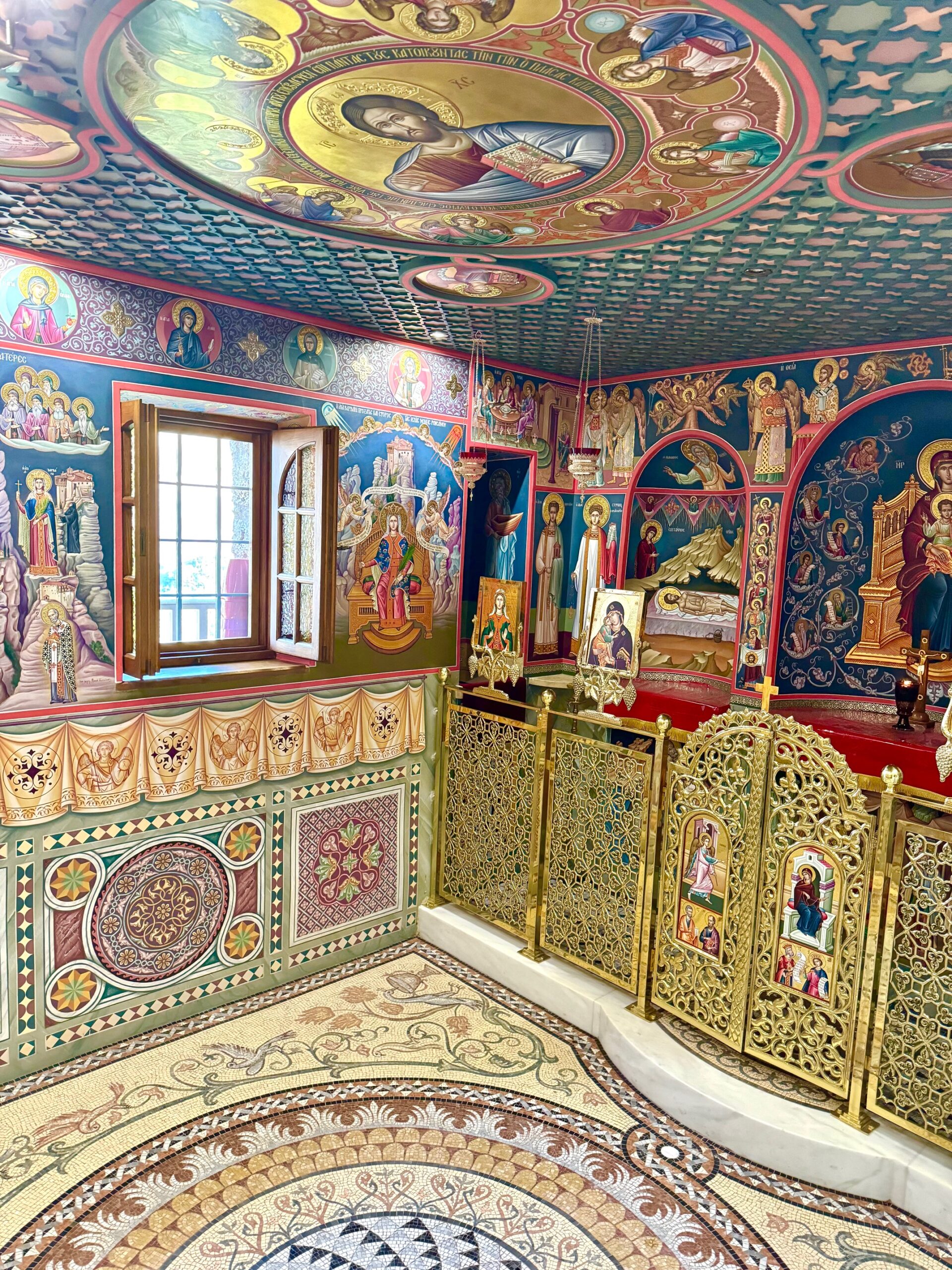
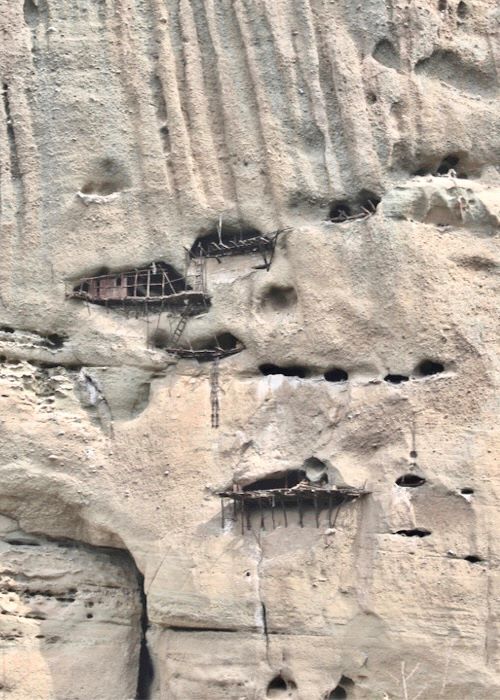
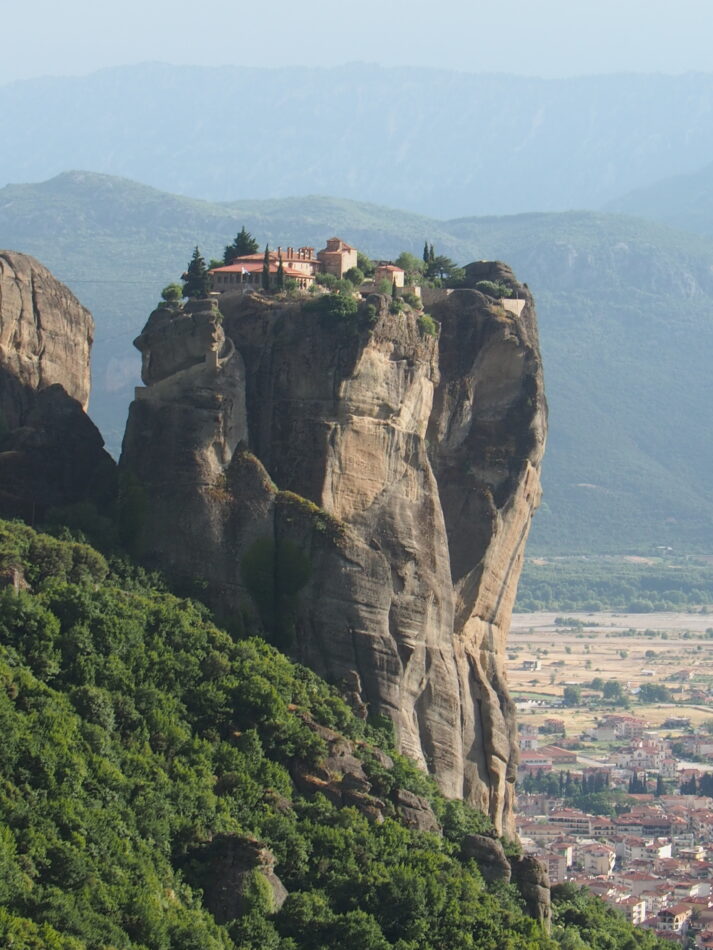
There are also some incredible things to see on the mainland including Athens – ancient sites like Delphi and Olympia as well as places of considerable natural beauty and wonder such as Meteora and Mt Athos. The northern city of Thessaloniki is also wonderful.

The Peloponnese peninsula is becoming more popular and is considered to be the ‘real Greece’.

How to get around the Greek Islands

The train and bus network is not as modern or efficient as those in, say, France or Italy, but the Ferry network is probably the most extensive and effective in the world.

In Athens taxi drivers, like many cities, can be a bit hit and miss so it pays to have the details of a trusted one. For private transfers, we use and recommend CATTaxi and if you use the Promo code “GTS” when you book through this link you will receive a further 10% off. If you do catch a taxi make sure the meter is on!

For port and ferry transfers you can book via this article too.

For Ferries, we use Ferryhopper and we invariably hire a car at each destination even if it’s just for a day or two.

Greek Culture

The Culture in Greece is rich and varied and is over 6000 years old.

There are a number of things that make it so unique, including the world-famous Greek Hospitality, but there’s also the unique architecture, food, dancing, music and more. The Greek Language is one of the oldest in the world, and it always pays to know a few key phrases for your trip.

We have a lot of resources including a whole page on the Greek Culture as well as a Recipe page, and an article full of reading suggestions, one with our recommended Greek Playlist and another about movies set in Greece as well.

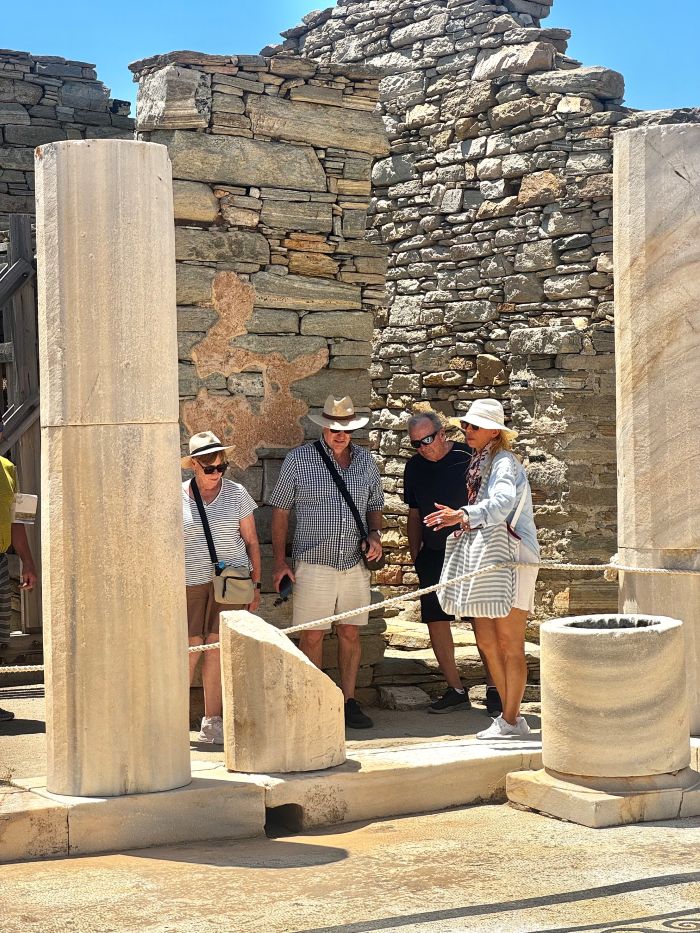
If you’re a history buff, then be sure to check out this article on Greek Mythology and where to see the most amazing archeological sites.

Further reading: Frequently Asked Questions about Greece

Santorini-Naxos-Athens

This article focuses on an itinerary that ticks the most boxes for the most people, with these three destinations, and can usually be done between Easter and November.

Why this sequence?

We always recommend doing Athens at the end, if possible. This ensures you are back on the mainland well before your international flight home and allows for ferry or flight delays or cancellations. Athens is also best for shopping, so do it at the end and don’t lug everything around the islands.

We recommend Santorini  first as it is the furtherest and, as it has a modern international airport, there are more airlines servicing it and the planes are larger and less prone to delays.

Our recommended minimum duration would be:

Santorini – 3 days

Naxos – 3 ( 4 or 5 is better)

Athens – 3 nights (although you could spend a month or more)

Variations

Looking for famous beach clubs and parties? Swap out Naxos for Mykonos.

Looking for off-beat islands with no airports? Swap Santorini and Naxos for Sifnos and Folegandros.

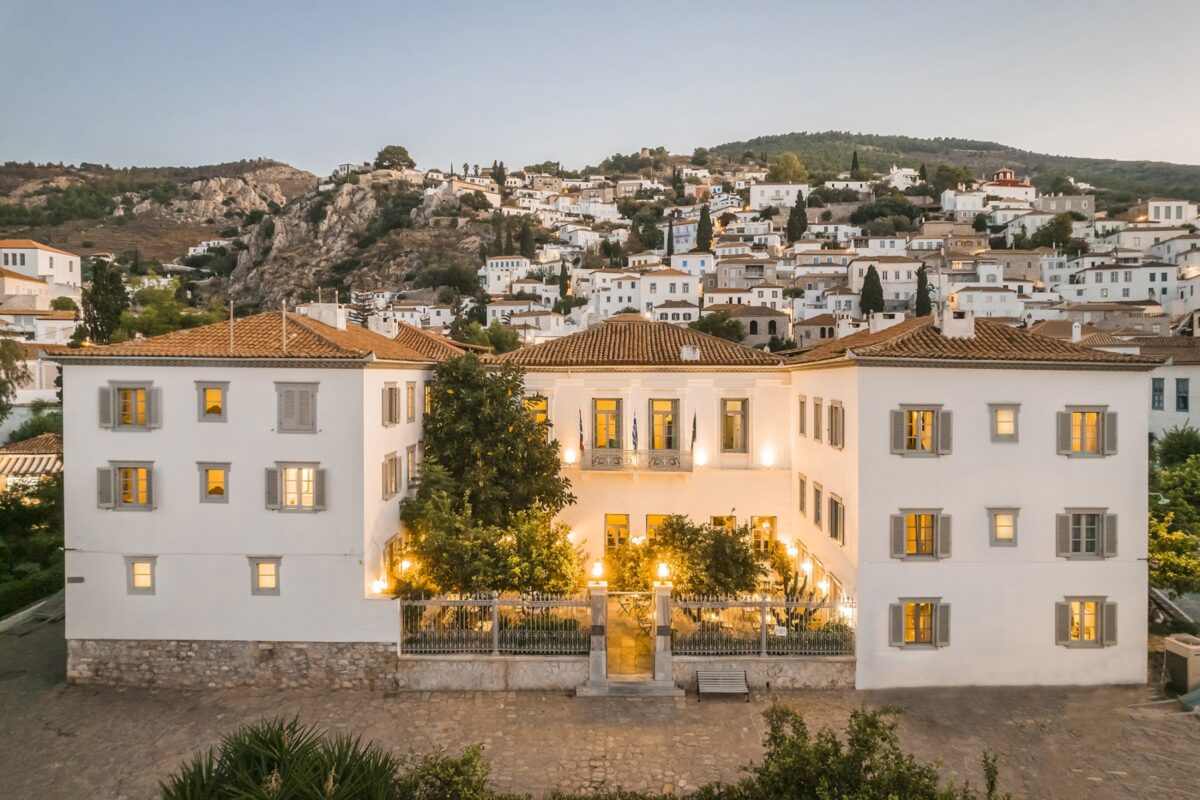
Not interested in the beach but love culture? Go to Syros or Hydra.

Visiting in the off-season? (November to April): stick to the Mainland.

Further reading: Island Hopping in the Cyclades

Santorini

Ferry to Santorini – BOOK HERE

There are limited ferry connections between the western Cyclades, a topic undergoing constant discussion in Greece. The route between Milos and Santorini is typically serviced by Seajets and takes about two hours.  

Santorini is a bucket-list destination for most people, and for good reason.

Despite the cruise ships and the crowds, it remains one of those places that not only meets your expectations but probably exceeds them. The views truly are the stuff of legends, and it is little wonder it is so popular with honeymooners.

It can get a bit crazy when the cruise ships come in each day, so a room with a pool and terrace makes for a great escape for an afternoon siesta and sundowners. When you re-emerge for dinner, most of the tourists will have floated away!

There are a surprising number of things to do on Santorini with beaches, wineries, hot springs, great shopping, and some of the world’s most iconic and photographed sunsets. There are even a lot of great things for kids, too!

santorini instagram spots

How to get to Santorini

You catch the ferry from Milos to Santorini. Book ferry tickets HERE.

TIP: Both the port and the airport can be quite nuts in summer, and there can be long waits for the cable car, taxis, and donkeys. Book your transfers and tours with Santo Luxury Escape with the promo code ‘GTS” for a 10% discount.

Where to stay in Santorini :

For couples: Ducato Di Oia ( adults only) suites in Oia or Above Blue Suites in Imerovigli for more isolation and at a lower price point.

For families and groups: White Harmony Suites have 2 bedroom suites, or Theoxenia Boutique Hotel has squad rooms and is not far from, dare I say it, Mcdonalds’.

Solo: Kivotos in Imerovigli for a splurge or Abelonas Retreat on a tight budget

is santorini worth it

Where to eat in Santorini

Breakfast: Breakfast should be included at your hotel. Otherwise, Our Corner in Fira and La Scala on Oia are great choices.

Lunch: enjoy lunch either at one of the wineries or at Aeolos Taverna in Akrotiri. If heading to Black Beach, enjoy lunch at Akro Beach Bar. Lefkes Taverna in Oia is also hard to beat for food or service and Metaxi Mas is one of the best tavernas in the entire country!

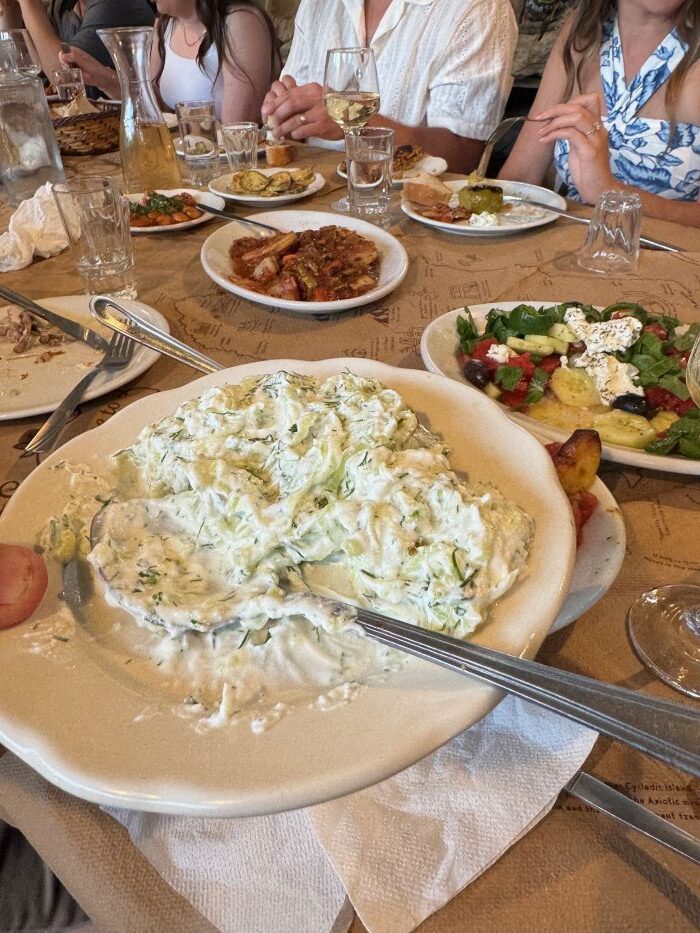
Dinner: Book a sunset dinner cruise on the Caldera or Santorini Mou in Oia, or Dimitris Ammoudi Taverna in Ammoudi Bay. Blu in Imerovigli is also wonderful for both lunch and dinner ( and they have a pool).

Drinks:  V Lounge Cafe & Cocktail Bar in Fira or Le Moustache Pool Lounge 


Things to do in Santorini

Naxos

Ferry to Naxos- BOOK HERE

There are many connections between Santorini and Naxos, particularly in summer. The faster catamarans take around 90 minutes and the slower Blue Star ferry takes two hours. We always recommend the later which are bigger and more stable in bad weather. They are also less likely to cancel for this reason.

Naxos is the largest and greenest island in the Cyclades group. It is known for its excellent beaches, charming mountain villages and thriving agricultural industry which makes it a very different island to both Milos and Santorini.

Naxos has one main town, Chora, and many people see this as an advantage for the island as the port, airport, main town and good beaches are all close together. While it’s a great idea to hire a car to explore some of the more remote parts of the island it does mean that you can have a perfectly nice vacation without one too.

There is a lot to see and do and its proximity to several other beautiful islands makes it a firm favourite with familiescouples, and solo travellers year after year. 

Being so big and with so much to do we recommend trying to stay on Naxos for as long as possible. A week is not unheard of and many people stay for months at a time.

naxos villages
naxos villages

Alyko Beach

Where to stay on Naxos

For first-timers we recommend staying in Chora, the main town of the island. This is also where the ferry port is and the airport is only a 10 minutes drive.

Chora is a charming and quite lively town with a Venetian Castle, the ‘Old Market’, and the famous Portara Gate on the headland. There are even a couple of nice beaches so it is possible to spend your entire time here, even without a car.

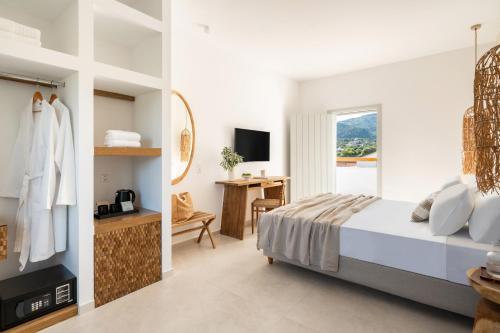
For a good mid-range hotel check out  Hotel Grotta or Nastasia Village, who have newly renovated rooms in a quiet spot a few streets back from the beach and the main part of town.

Families and groups should check out Ikaros Studios and Apartments which has a great pool but is only a short walk to this popular family beach.

Astir of Naxos is one of the most popular luxury hotels on the island and has a beautiful swimming pool and spa as well as a children’s playground. We also love Nissaki Beach Hotel which is right behind Agios Georgios Beach and has a beachfront restaurant and swimming pool, or Hotel Glaros Boutique Hotel which is right next door and less expensive.

Things to do in Naxos

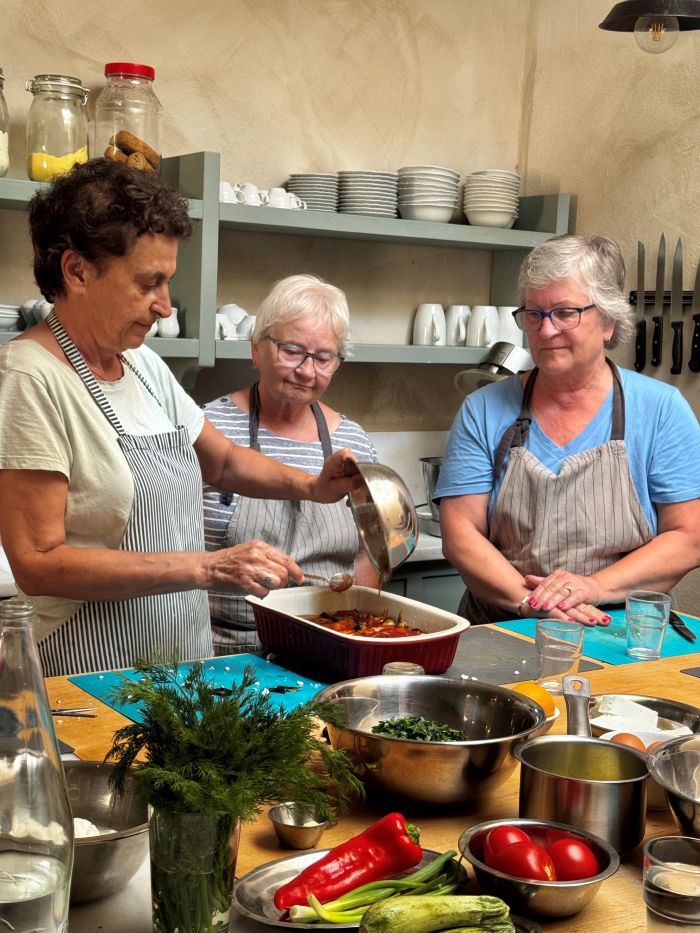
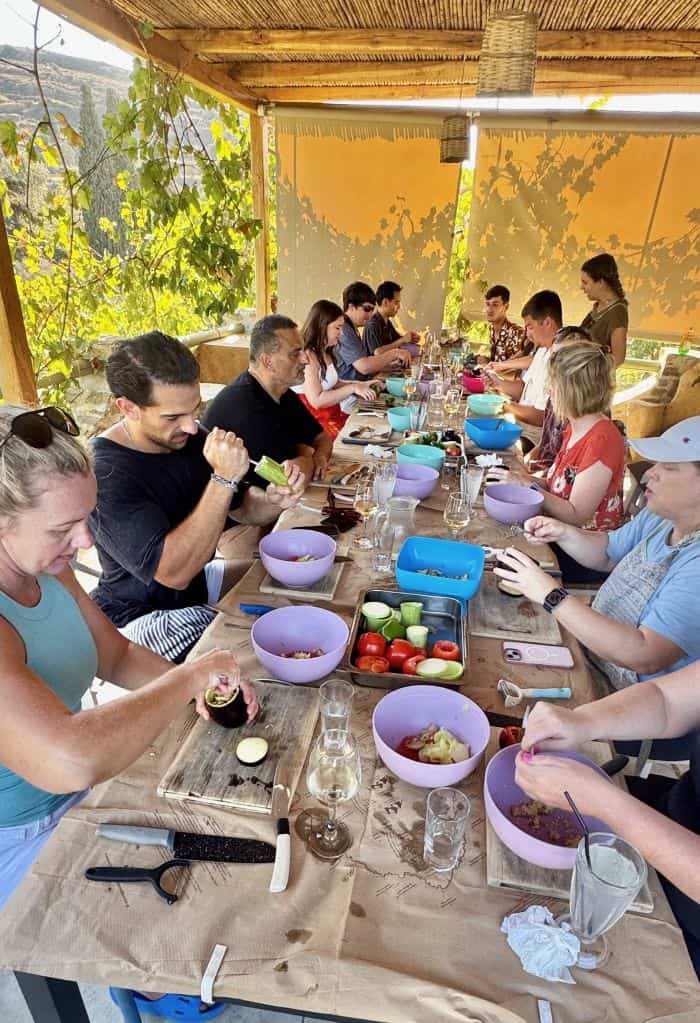
  • Cooking Classes
      • 1. This class is conducted in a local home and includes dinner there too;
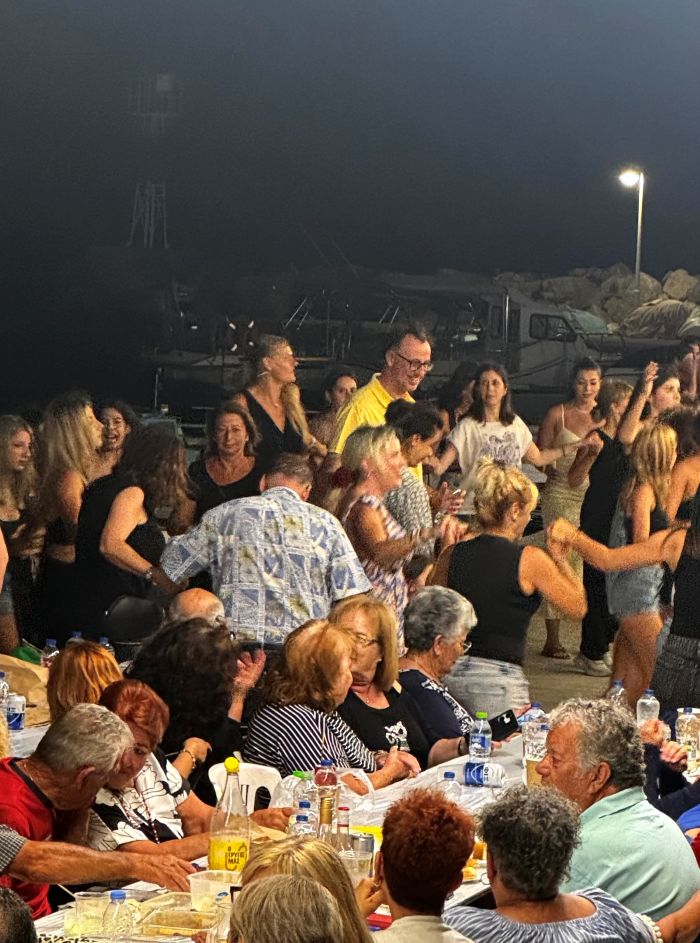
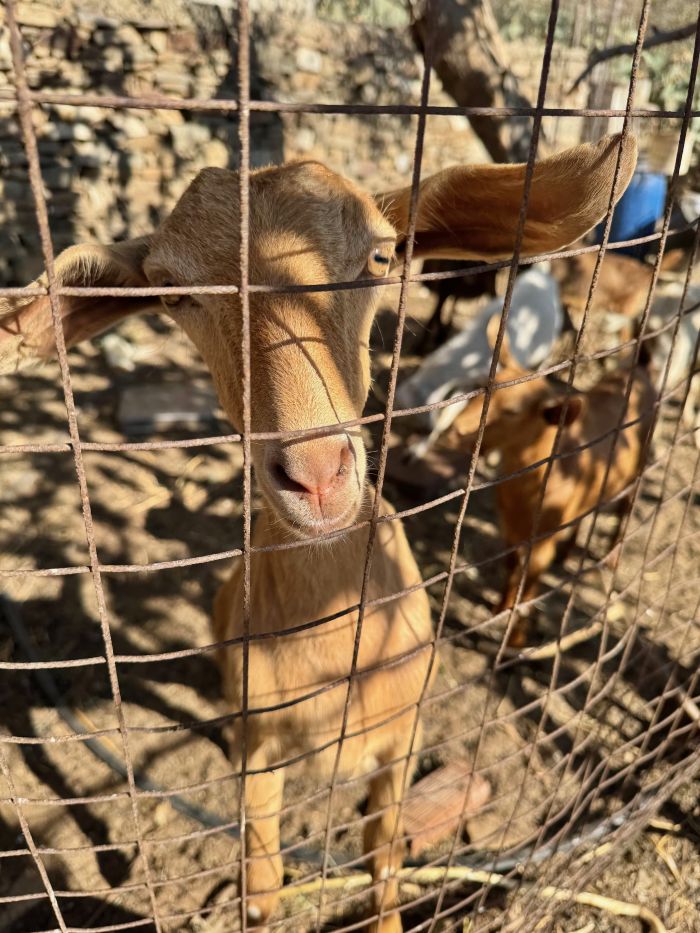
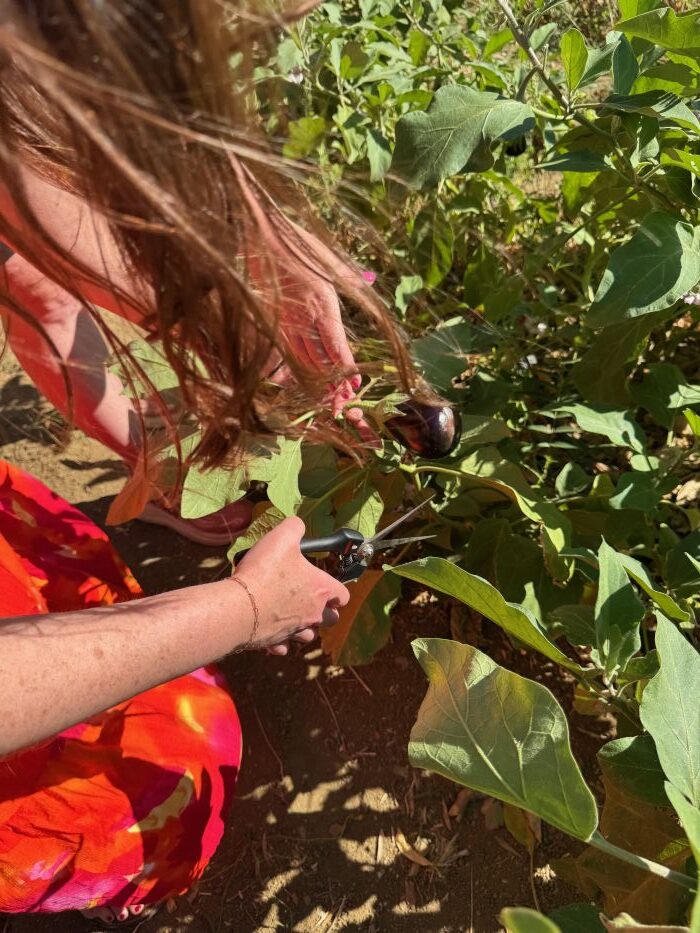
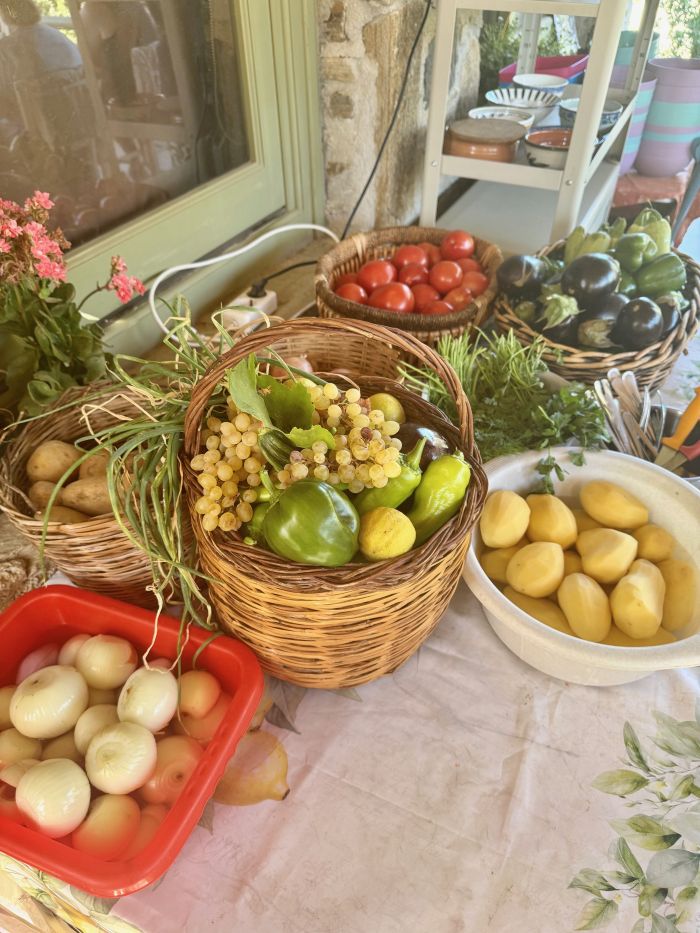
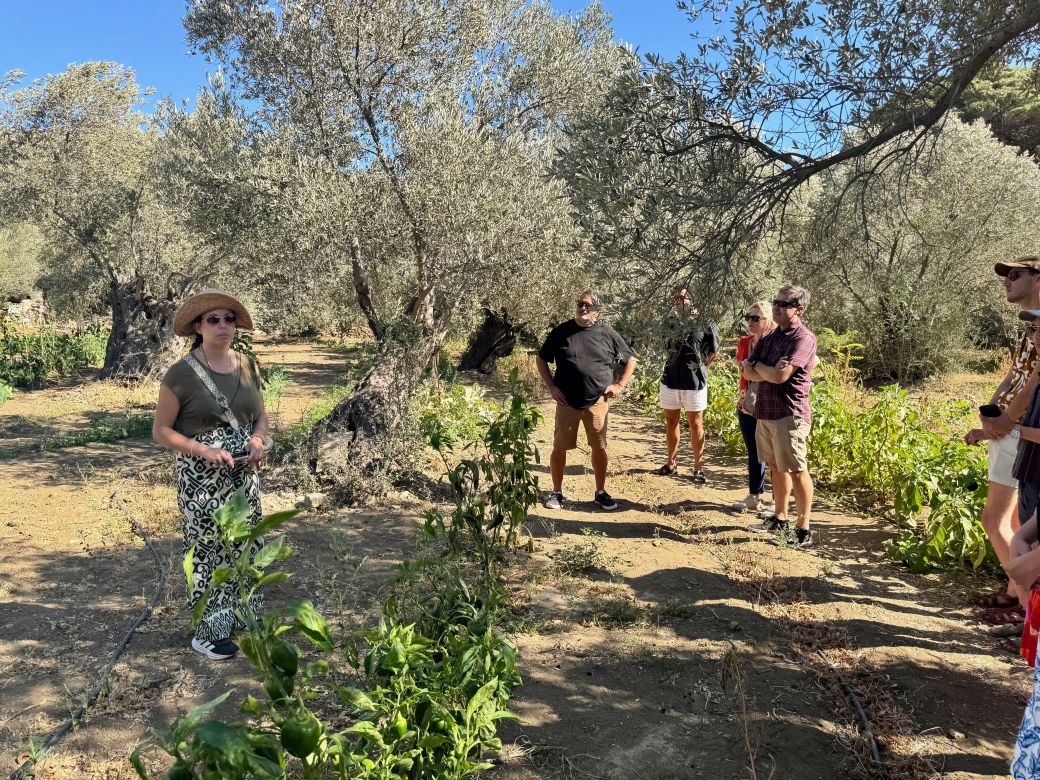
      • 2. This class is held at Basiliko Taverna Farm and is conducted by their excellent Chef and owners. It includes picking your own vegetables, meeting the farm animals, and dancing and plate smashing! Mention us for €5 discount person.
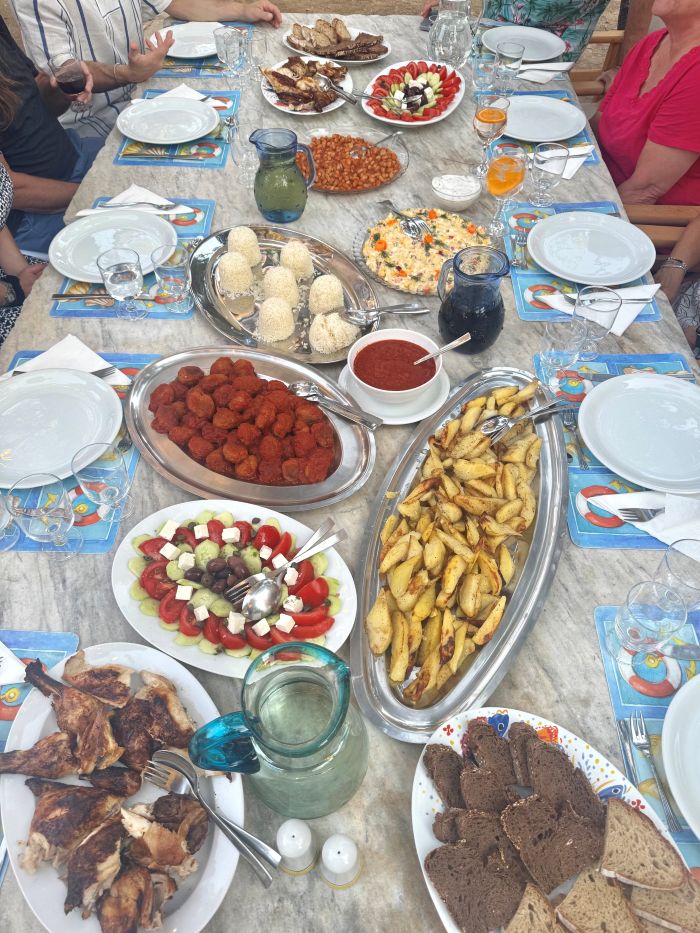
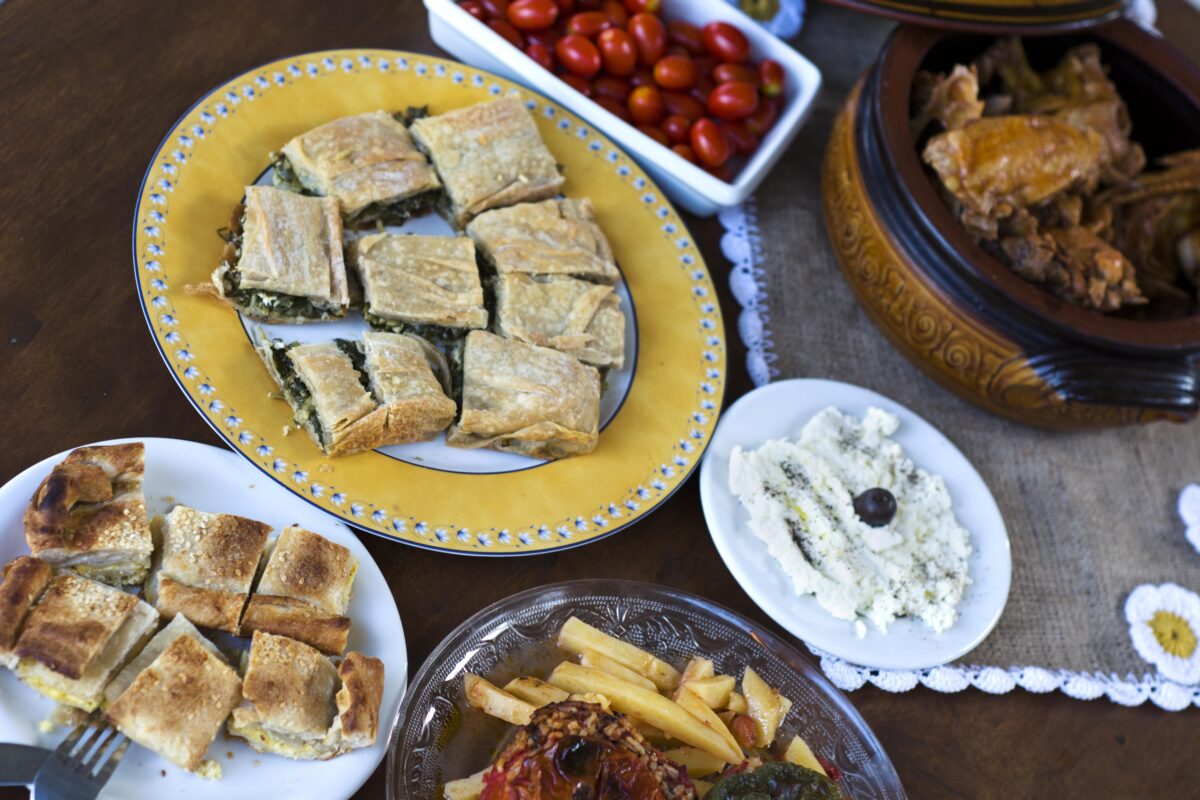
  • Naxos is famous for its food and, in particular, its honey, cheese, and potatoes. In fact, the Naxos Potato Festival is held each year in July and they are currently world record holders! In the Chora, you will find numerous shops that showcase the local produce and, of course, you can sample all the delicacies of Tavernas across the island. Don’t miss the amazing Naxos Cheese Koufopoulos, where you can do a private cheese tasting with wine, in their cellar and Antamoma Cuisine Deli.
  • Explore the mountain villages. Either pick up a car or catch the buses up into the mountains. There are almost a dozen villages you can see but with just one day stick with Filoti, Aperianthos, and Chalki, with a side trip to the Monastery at Moni if you have time.
  • Hike to Mt Zas and the Cave of Zeus. Do this very early before the sun heats up.

Further reading: The Mountain Villages of Naxos

  • Explore the beaches. Hopefully, you will also have time to explore some beaches, especially if it is summer. There are many to choose from and if you have a car you can easily visit several before or after the mountain villages.
  • Drive down to the Cedar Forest of Alyko, not much of a forest these days but rather a large, sandy nature reserve with several beaches. Then drive north to Paralia Glifada, Kastraki, Orkos, Plaka, and Agia Anna before ending at Agios Prokopios, our personal favourite.

Further reading: The Best Beaches of Naxos

  • Do a day trip to another island. Paros is right next door and can be as quick as 30 minutes on the ferry. Mykonos to the north is only 40 minutes away.  You can explore the the ‘small Cyclades’ islands by public ferry (Ano Koufonisa then has little sea buses that go around the beaches) or on sailing trips

Where to eat on Naxos

In the mountain villages stop in Filoti for a coffee at Platano on the square, under the shady plane trees. In Apeiranthos there are some great choices for lunch including Taverna Platanos and ‘Ο Αμοργινός‘ ( O Amorginos) is excellent too.

Many visitors also love Rotonda. This is a large restaurant and bar high in the hills before Apeiranthos with sweeping views over the valley and out to sea.

In Chora head to Avaton 1739 for sunset drinks and you can stay for dinner, or perhaps head into one of the small, charming places in the Old Market like Lithos or Labyrinth.

Down near St.George Beach To Elliniko is worth queuing for a table as is Maro’s.

For some great live music, plate smashing, and dancing the Flamingo Bar is the place to be.

Athens

Fly or Ferry to Athens- BOOK HERE

This is really a personal choice. The costs will likely be similar but the ferry will take longer, which a lot of people enjoy. Again, book the Bluestar and perhaps upgrade to Business Class and enjoy a meal or a bottle of wine with great views. You can even book a cabin and have a nap and a shower!

Athens of course is the Capital of Greece and is one of the oldest cities in the world, having been occupied for around 5000 years.

Named after the fierce warrior Goddess Athina ( which is what it is called in Greek) the city  has a fascinating and colourful past.

There is a lot to do and see in Athens and the ancient centre is easy to get around and very walkable. Apart from the many things you can do in Athens including great shopping, incredible food, and all the ancient sites, there is also great nightlife with a plethora of bars, tavernas, and clubs to choose from.

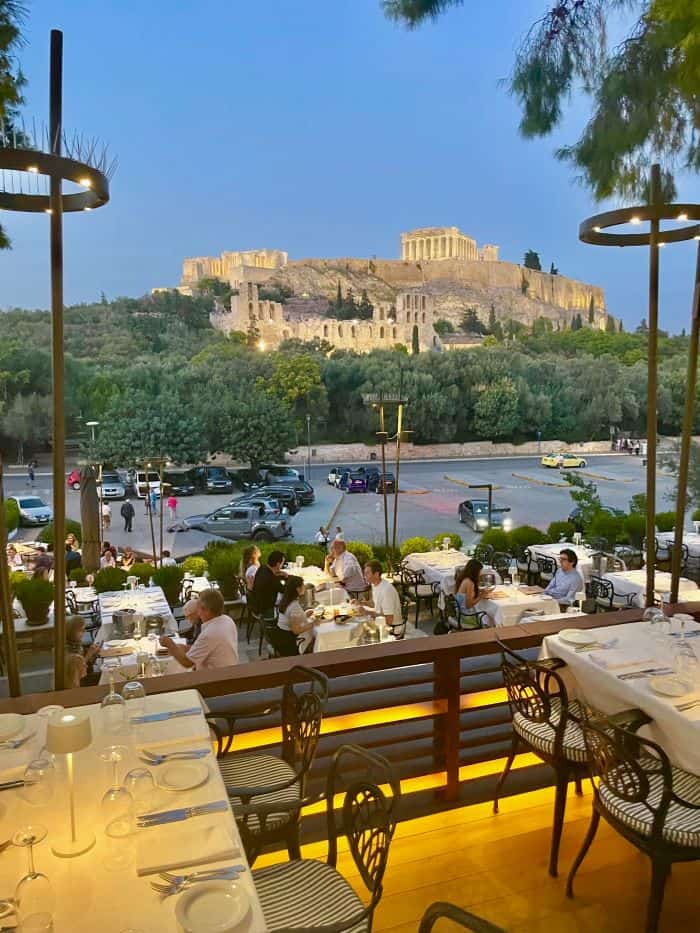
There are a lot of new hotels and restaurants many with incredible rooftop views, especially of the Acropolis.  It’s surprisingly affordable compared to most European capitals and returns tremendous value for your dollar.

Where to stay in Athens

For couples: Zillers Hotel has only 10 rooms and amazing Acropolis views from some rooms and the lovely rooftop bar and restaurant and is right on Mitropolous dining street, or The Foundry Suites in Psiri are uber cool and was once an industrial foundry.

For families and groups:

Great hotels that have one and two bedrooms suites and apartments include Met34, Athens Ikon and The Gem Society. All are in excellent central locations and all include breakfast too!

Dionysus is a beautiful apartment right in the middle of Plaka. It has 3 bedrooms and can sleep 9 and it’s a great price too given the quality (one thing to note however is that it is not airconditioned).

Auntie’s Home in Plaka is a fantastic 2 bedroom/2 bathroom apartment with a huge terrace and amazing Acropolis views too. I can’t believe it’s so cheap, actually!

Solo: I love to stay at Ergon House when I’m on my own. It’s across from Zillers and part of the famous Ergon House food emporiums.

Where to eat in Athens

Breakfast : this will likely be included in your hotel tarrif. Otherwise the Brunch Factory does incredible meals for breakfast and lunch.

Lunch: Nikitas in Psiri for cheap and cheerful homecooked meals or Kostas for amazing Gyros.
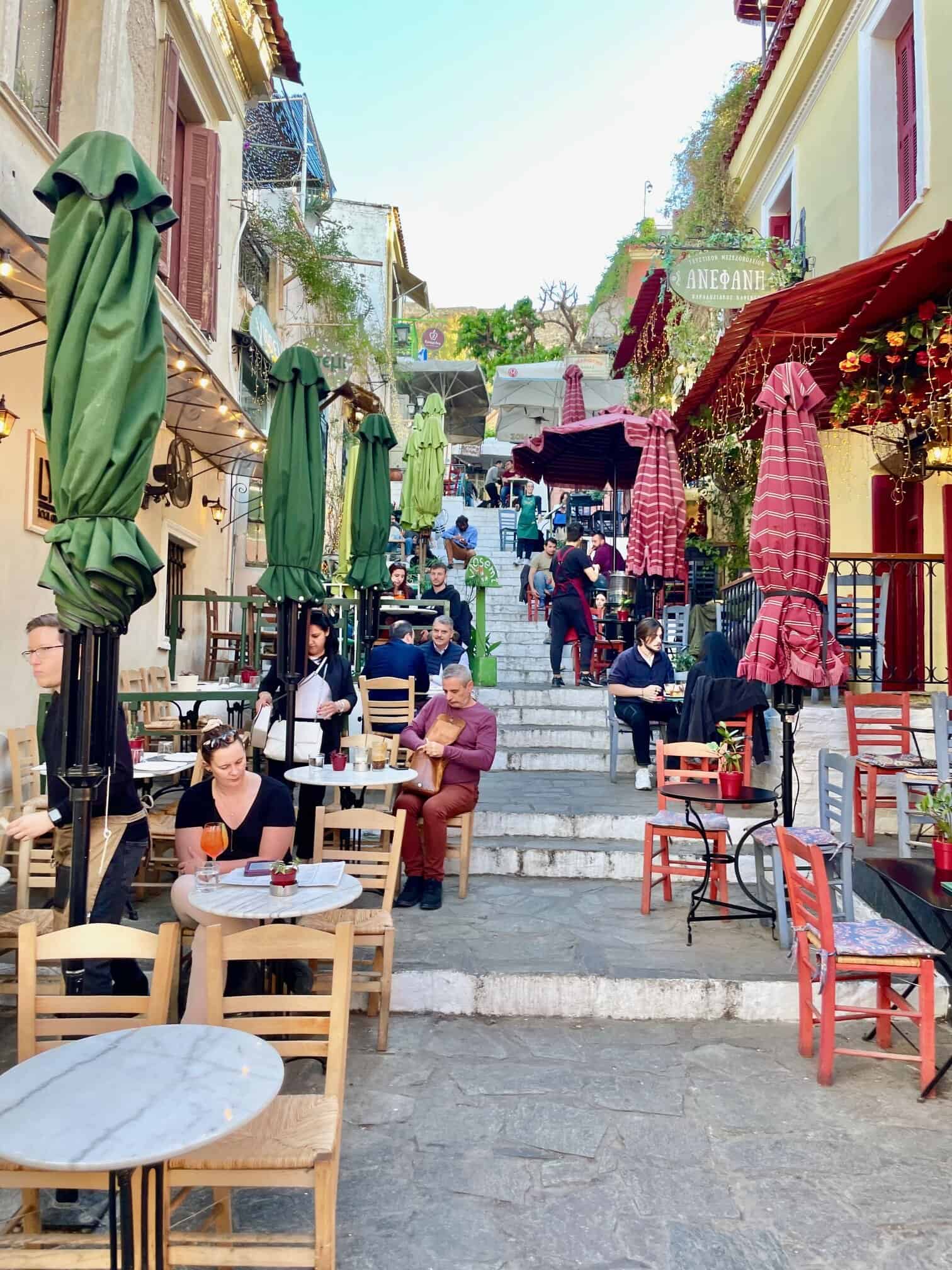
Athinaikon in Monastaraki/Syntagma, or for something really special book Dinner in the Sky (book well in advance). Yiasemi in Plaka ( the much photographed steps) or Lithos Taverna in Psiri does my favourite Moussaka. Taverna Klimataria for live music and the best cabbage rolls in lemon sauce in town.

Drinks : Enjoy sunset drinks at the Grand Bretagne Rooftop bar

Things to do in Athens

 Further Reading:

The Best Rooftop Restaurants in Athens

The Elite Presidential Guard

Private Drivers in Athens

10 days in Greece
 

Don’t forget Travel Insurance!

It’s important to make sure you are covered for medical expenses    ( some countries may include this in health insurance) but also for lost baggage, flight and ferry delays and cancellations, theft, and emergencies, including something that happens back home while you are away.

This can save you tens of thousands of dollars, or even more.

You may also like

The post SANTORINI, NAXOS & ATHENS appeared first on Greece Travel Secrets.

  •  

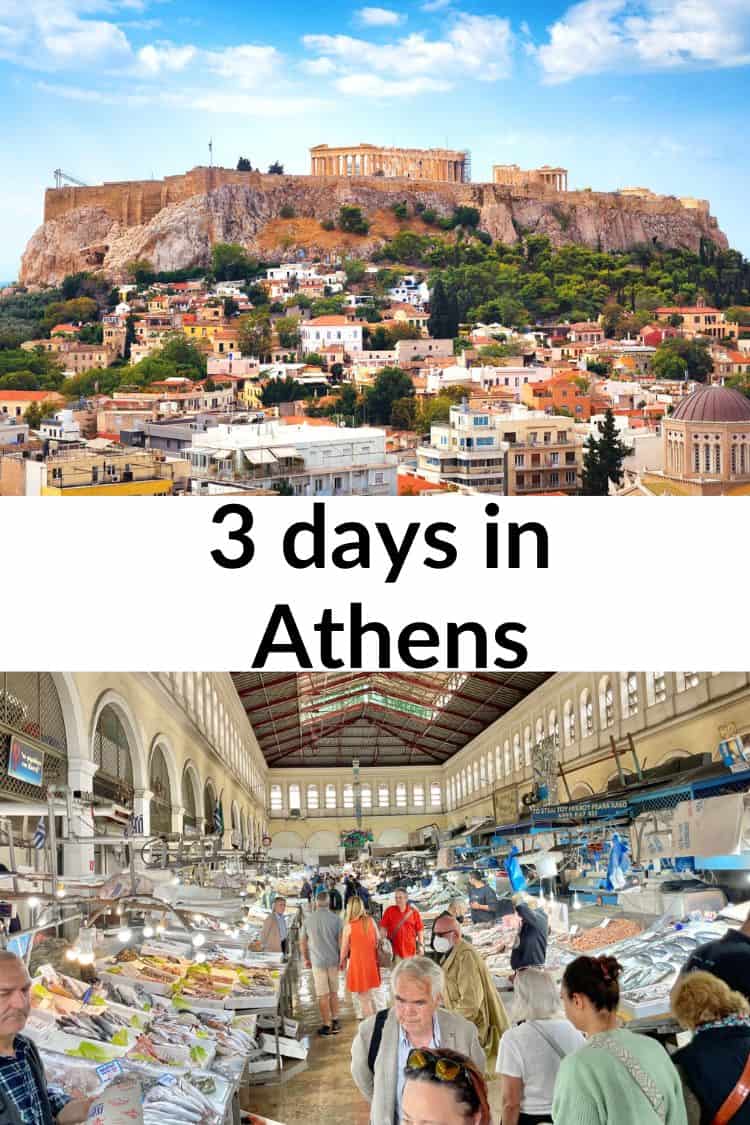
3 DAYS IN ATHENS – A COMPLETE ITINERARY

Athens is one of those cities that has a LOT more to see and do than people think. Many rush through it on the way to the islands, or worse, treat it as a box-ticking exercise before boarding a ferry. That’s a mistake. Athens isn’t a stopover city; it’s a destination in its own right, and it rewards anyone who gives it time.

Three days in Athens gives you range. You see the ancient city and the modern one. You walk neighbourhoods, sit in cafes, eat properly, and understand how Athenians use their city. You’re not rushing between ruins, and you’re not stuck inside museums all day either.

PLANNING A TRIP TO GREECE?

Check out our complete Planning Guide as well as our FREE 13-page downloadable itinerary.

And come join our private Facebook Group where you can ask questions and get advice from real travellers!

Note: This article may contain affiliate links.
athens santorini mykonos

What to expect in Athens

• Athens is lively, intense and full of character. It moves quickly and confidently, and you feel that energy the moment you step outside.
• The city is highly walkable, with pedestrian zones linking major sights, neighbourhoods and viewpoints.
• Graffiti is everywhere, although it has improved, and Athens has one of the leading street art movements in the world.
• The food scene is exceptional, from simple bakeries and market stalls to modern Greek restaurants doing clever, creative dishes. Even the casual spots are reliably good.
• Archaeology appears at every turn, sometimes literally, when they try to build a metro station and uncover half a temple.
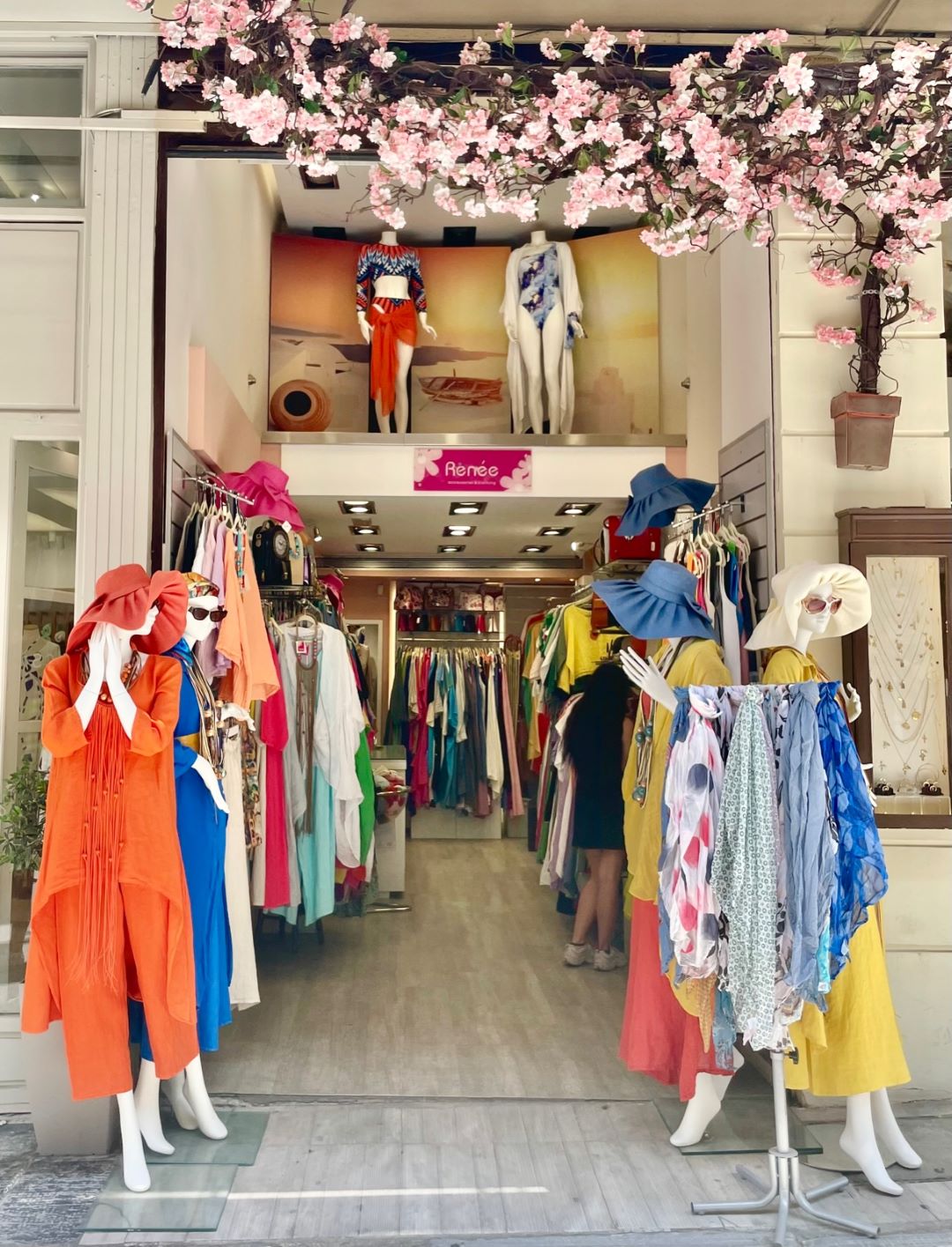
• Shopping is fantastic, especially for jewellery, ceramics, local designers and food and beauty products.
• The nightlife is warm, relaxed and atmospheric rather than wild. Rooftops, wine bars and street-side tables keep things buzzing late into the night.

Note: For a hassle free transfer to your hotel from the Airport or Port book your transfers here. Use the discount code ‘GTS’. 

Where to stay

For accommodation, location matters more than luxury. Staying central means you’ll walk almost everywhere.

Good options include;

Athens Gate: has excellent views and a genuinely practical location with a great rooftop restaurant. There are interconnecting rooms too.

Electra Metropolis: elegant, modern, with a killer view of the Acropolis from the rooftop pool and bar, right in the centre of everything

Ergon House: stylish, located above the famous food emporium so great food is literally at your finger tips

Day One

Morning
• Do a walking food tour, which will start in Monastiraki. The morning tours include a visit to the Central Markets and to many small providors in the neighbouring areas. It’s a great way to get your bearings and a feel for the lay of the land, all for the price of a food tour.
• After the tour, you are already in Psyrri or the Central Market area, so just wander on foot. Everywhere here is within a 20-minute walk, and this is where you’ll find some of Athens best bars, cafes and street art.

Early Afternoon
• Head to Syntagma Square. If coming from Psyri, walk along Ermou Street, which is the main pedestrianised shopping street of Athens.
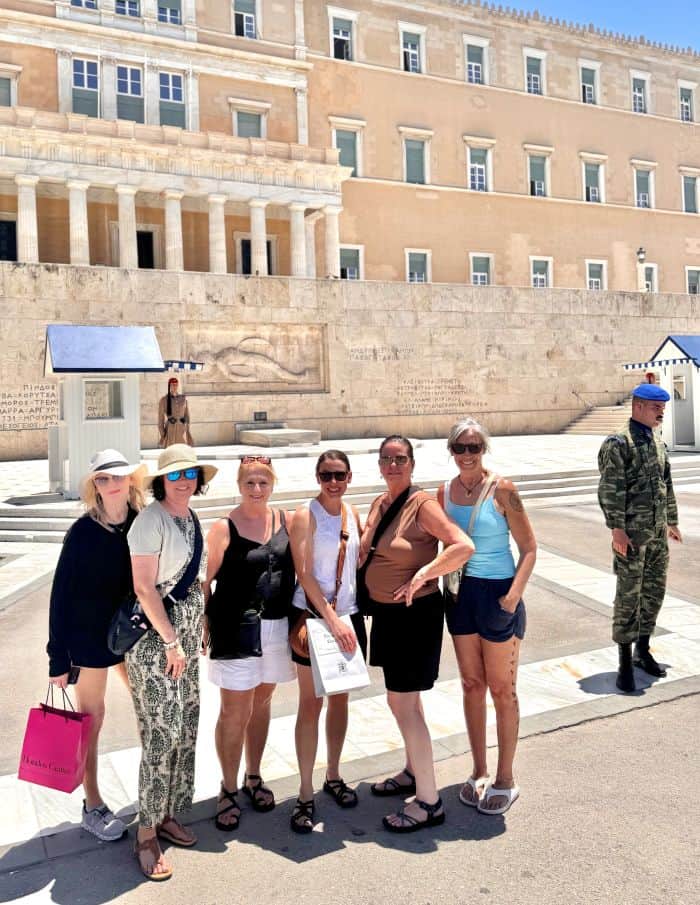
• At Syntagma, cross the Square to the Parliament building where the Evzones stand guard. You can watch the changing of the guard every hour on the hour.
• Turn right and head through the National Gardens to the Zappeion. Across the road on the other side is the amazing Panathenaic Stadium.

Once you exit near the Zappeion, you will also see the Temple of Olympian Zeus just a few minutes away on the other side of the road.

Late Afternoon
• From the Temple of Zeus, walk over toward Plaka. Take the pedestrian path past Hadrian’s Arch and follow the crowds uphill into the old neighbourhood. It takes around five minutes.
• Don’t miss Anafiotika, an old part of Plaka founded by marble craftsmen from the island of Anafi that still feels like a Greek Island.

Evening
• Rooftop bars in Monastiraki,, Thissio or Plaka are all walkable from Anafiotika. There are many in Monastiraki and Psyri too. 
• Dinner in Thissio or Monastiraki is a leisurely stroll along the big, wide, car-free pedestrian boulevard.

Further reading: Top Tavernas, Bars and Beachclubs

3 days in athens

Day Two

Morning

• Visit the Acropolis. Book a private Guide to take you around this vast and complex attraction to truly understand and appreciate what you are seeing. Try to be there at opening if visiting in summer, before the heat and the crowds kick in.

Then visit the Acropolis Museum. Allow 4 hours to explore both, more if you are a history buff.

Lunch

There is a good cafe at the Acropolis Museum with amazing views of the Acropolis, or there are many excellent tavernas and cafes nearby.

Afternoon

Walk through Plaka for a spot of shopping and past the Roman Agora and the Tower of Winds before heading on to Hadrian’s Arch. These can be easily viewed from the sidewalk, or you can pay to enter and explore more deeply.

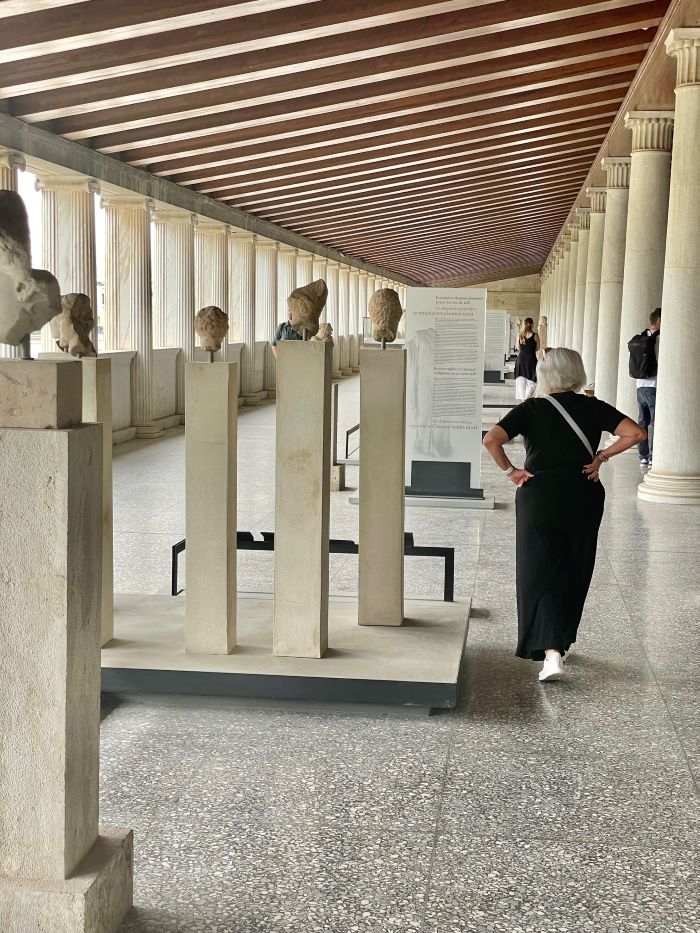
From there, it is a short walk to the Ancient Agora, which really needs a couple of hours to explore. It is a vast site home to the Temple of Hephaestus, the best-preserved Temple in Greece, and the Stoa of Attalos, an excellent Museum.

Further Reading: Top Archaeological Sites in Athens

Evening

For something really unique and very special book Dinner in the Sky! Enjoy great food and wine and excellent service all while dangling from a crane, with spectacular 360 degree views of Athens.

This really is a lot of fun and a very different experience. It’s also an opportunity to explore Technolopis City which is a converted gasworks and cultural centre.

Use the Promo code ” GTS”

greece with limited mobility
Day Three

Morning – Option 1

• Jump on the Metro and head down to the Stavros Niarchos Foundation Cultural Centre, which is home to the National Library, Opera and Ballet. It’s a vast complex, always has something on, and it’s actually quite an interesting museum too. You can also visit this using the red Hop on Hop Off bus too.

• You can then continue to visit the Athenian Riviera, which is very popular with Athenians on summer weekends.

Morning – Option 2 
• Shopping! This is where to stock up on all your souvenirs and gifts. The big high street brands are all on Ermou Street, while the surrounding areas have many independent boutiques, designers, leather shops, and jewellers.

Afternoon

• There are many incredible Museums in Athens – in fact, it has more per capita than any other European city.

The Benaki Museum is an easy ten to twelve-minute walk from Syntagma, heading toward Vasilissis Sofias Avenue. The Museum of Cycladic Art is five minutes further along the same stretch. Both are close together, so no transport is needed.

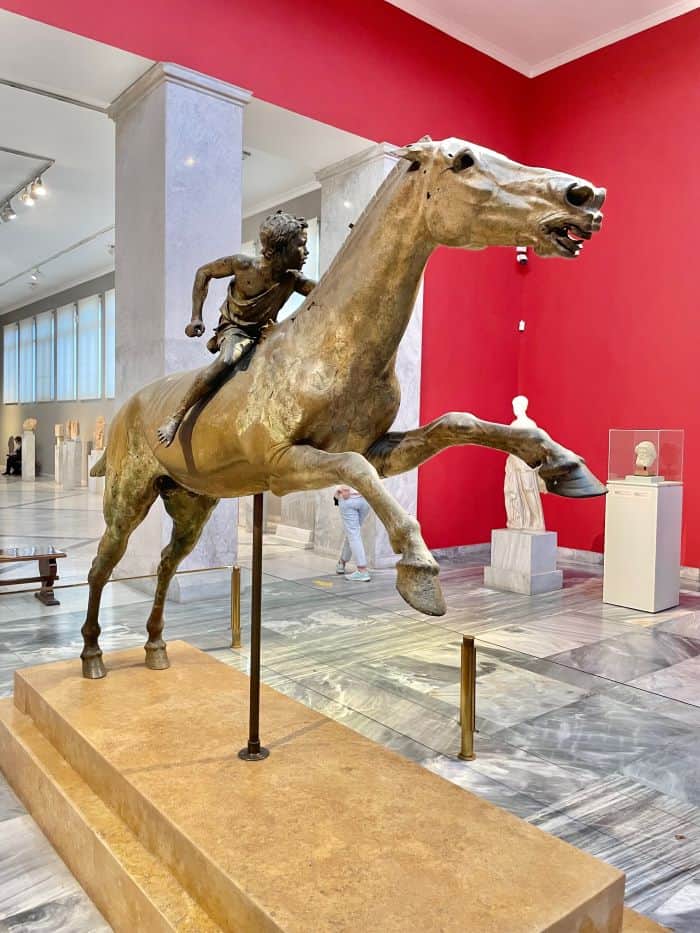
For my money, the National Archaeological Museum is one of the best in the country and showcases artifacts from all over the nation. It is a 20-minute walk from the ancient centre or a quick taxi ride.

Evening

• Check out a rootfop performance of an Ancient Greek tragedy. Very entertaining and spectacular views too.

  • If theatre isn’t your thing, then head to Thissio or Psiri and the many lively bars with live music and perhaps a bit of spontaneous dancing.

Don’t forget Travel Insurance!

It’s important to make sure you are covered for medical expenses ( some countries may include this in health insurance), but also for lost baggage, flight and ferry delays and cancellations, theft, and emergencies, including something that happens back home while you are away, and you need to get back urgently.

YOU MAY ALSO LIKE

Like this post? Why not Pin it!

The post SANTORINI, NAXOS & ATHENS appeared first on Greece Travel Secrets.
  •  

PUBLIC TRANSPORT IN ATHENS

Athens is a big, busy city – one of the oldest and most interesting in the world. It is situated on a peninsula surrounded by water in the Attica region of the Greek mainland, and many of the highlights are spread far and wide.

The historical sites, like the Acropolis, are located in the city centre of Athens, which is a small area. You can easily navigate almost everything here on foot or there are tours you can do using Tuks-Tuks, E-Bikes and Segways.

However, many suburbs are only accessible by taxi or public transportation. These include the ports of Piraeus, Lavrio and Rafina as well as the lovely suburbs that make up the Riviera.

Your first interaction with Greek public transportation may occur when you need to get from Athens Airport to the city centre or to Piraeus.

If you’re planning to spend a few days in Athens, please make sure to check for alternative ticket options, as there are usually passes that have discounts for specific periods of time, such as the Ath.ena Card.

Athens Metro

The Athens Metro is the city’s main workhorse for getting around quickly and efficiently. It’s a classic urban metro system, mostly underground, designed for short to medium trips within the city and its immediate suburbs. There are only three lines, but they cover the places visitors actually need to visit, including Syntagma, Monastiraki, the Acropolis area, Piraeus, and Athens International Airport.

It’s fast, frequent and very easy to use, with clear English signage, modern stations and reliable timetables. Many stations double as small museums, with archaeological finds displayed behind glass, because of course they do, it’s Athens. Trains run frequently throughout the day and late into the evening, making it ideal for sightseeing, commuting and airport transfers.

For most visitors, the metro will be the primary transport system. It’s predictable, efficient and far quicker than buses or trams for crossing the city. The only real downsides are crowding during peak hours and limited reach beyond the greater Athens area.

Line 1 – the old Green line, connecting Piraeus port to the northern suburbs.

Line 2 – the Red line, links major stops in the Ancient Centre such as Syntagma,  Acropolis, Omonia, and the southern districts.

Line 3 – the Blue line, takes you straight to and from Athens International Airport in about 45 minutes.

Athens airport metro

Pireaus Metro station

Suburban Railway of Athens

The suburban railway, known as Proastiakos, is the regional rail service.

Around Athens, it functions as a commuter and regional service, linking the city with outer suburbs and nearby regional centres such as Corinth, Kiato, Chalkida and parts of West Attica, as well as Athens International Airport. Trains make more frequent stops and are designed for practical, short-to-medium journeys rather than speed or comfort. This is the service used primarily by locals commuting in and out of the wider Athens region.

Beyond the suburban zone, long-distance intercity services take over. These trains are operated by Hellenic Train and run on the same north–south rail spine, but they are built for national travel. They have reserved seating, far fewer stops and significantly faster journey times.

From Athens, intercity trains run through Larissa, Greece’s main rail junction, and continue to Thessaloniki. This is the country’s busiest and most crucial rail corridor, and with recent upgrades and electrification, the fastest services now complete the Athens to Thessaloniki journey in around four hours.

The Athens tram (light rail)system

The tram system links parts of Attica’s western coast, including Faliro, Glyfada, and Voula, with central Athens.

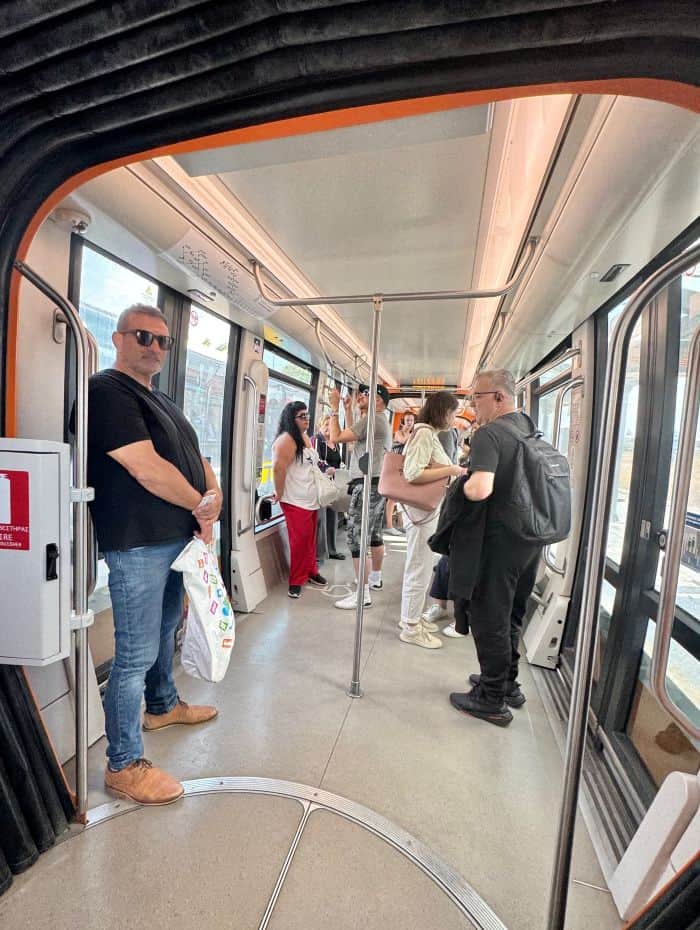
The tram services 59 stops in Athens, including central Athens, the Riviera, and Piraeus. The tram is scenic and easy: it’s slower than the metro but offers excellent views of the coast and gets you to beaches, marinas, and promenades.

athens by the sea

Glyfada tram

beaches in athens

The buses and trolleys in Athens

The vast network of public buses and trolley services covers most areas on the Attica peninsula. The city buses in Athens also serve a variety of suburban routes.

The OASA telematics app is usually the most effective tool for planning trolley and bus routes.

Athens KTEL buses
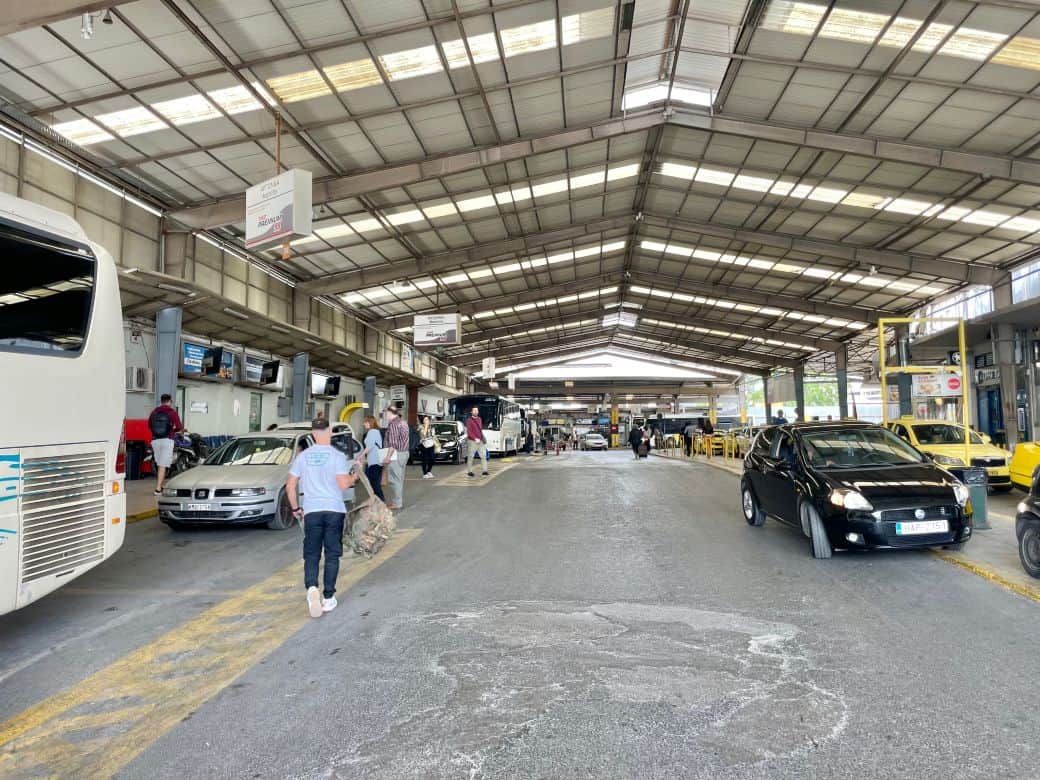
The huge KTEL bus network services numerous localities on the outskirts of Athens. Marathon, Sounion, the ports of Rafina and Lavrio, to name a few, and the cost is reasonable. For example, the price of a one-way ticket to Sounion is just over 6 euros on KTEL buses.

You can usually purchase a ticket on the bus, and it’s best to have cash on hand.

Kifissos Bus Station, Athens

Taxis in Greece

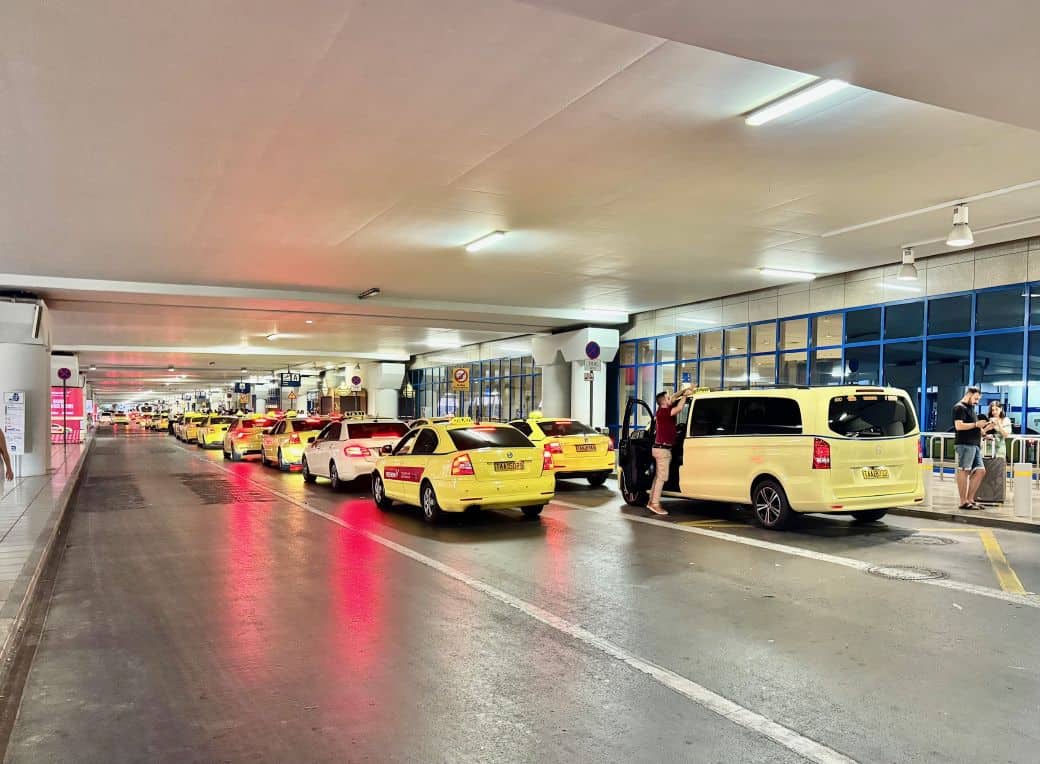
Official taxis are yellow in Athens; however, they may be another colour elsewhere in Greece.

Legally, a driver must use a metre that is prominently visible to the passenger. They must also accept credit and debit cards. Sadly, the only major scam in Greece is by Athens taxi drivers, who sometimes claim their meters are broken and charge inflated prices. Make sure the meter is on when you enter the car; if not, agree on a fixed price BEFORE you enter. If the driver refuses, simply go to the next taxi.

There are some other ways to do this that are easier and safer – see ‘Ride sharing’ below.

Athens Airport Taxis

Ride Sharing

Technically, there are no ride-sharing services in Greece.

You can, however, use your Uber app in Athens to call a taxi. The advantage of this is that you have a fixed quote, can track the car and its details, and don’t have to worry about paying on the spot.

Most Greeks use an app called Freenow, which was recently acquired by Lyft. It operates much the same as the Uber app, but more drivers have signed up to it.

The post PUBLIC TRANSPORT IN ATHENS appeared first on Greece Travel Secrets.
  •  

SAFETY IN ATHENS FOR TOURISTS

Is Athens safe for tourists?

Athens delivers the mythic: the Acropolis, Plaka, rooftop views, lively tavernas. And you can enjoy it safely. The risk is real but small-scale, and no more than many big cities. Thankfully, it is mostly pickpockets and petty crime, with a little street smarts required. It’s not one of Europe’s crime-hot capitals for tourists.

So yes, go with confidence – treat central Athens like you would any major city you’d visit: eyes open, bag zipped, phone not left on a table.

PLANNING A TRIP TO GREECE?

Be sure to check out our complete Planning Guide and our FREE 13-page downloadable itinerary. If you are feeling really overwhelmed, you might like a 1:1 Trip Consultation? 

And join our private Facebook Group where you can ask questions and get advice from real travellers!

What the data says

Athens ranks 15th worldwide for pickpocketing incidents, and in a broad safety ranking for 2025, meaning how it compares to many global tourist cities. According to the crowd-sourced crime index for mid-2025, Athens has a score of ~55.3 (on a 0-100 scale where higher = more crime), placing it in the “moderate crime” perception bracket.

In that study, the popular tourist zone around the Acropolis and the Plaka area had only about 1.2 reports of pickpocketing per 1,000 reviews – compared with, e.g. 6.8 per 1,000 in Montmartre (Paris) in their dataset.

Travel-advice sources describe Athens as having a “LOW” overall risk for visitors, but caution against theft in crowded tourist areas and against using public transport.

So in short: yes, you’re safer in Athens than many headline-tourist cities, but safety is not guaranteed, and the real risk is mostly petty theft rather than violent crime.

What to be mindful of 

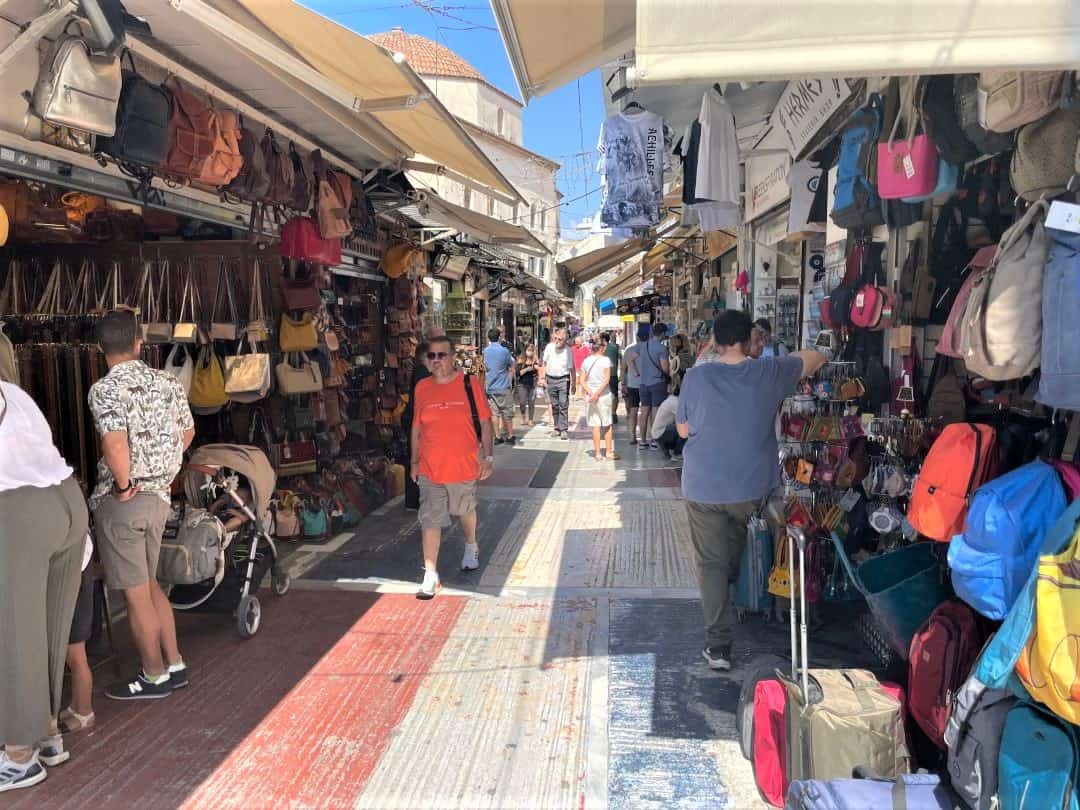
Pickpockets in crowded areas are the main issue for visitors.
• Hotspots include Monastiraki, Syntagma, the Acropolis metro and busy trams.
• They work subtly, so keep bags zipped and in front of you.

Occasional distraction theft
• Not scooter snatching, just someone causing a brief distraction to lift a phone or wallet. This can also be people selling roses or similar.
• It can happen in markets and on the metro.
• Keep valuables secure and avoid leaving bags open when taking photos.

Taxis overcharging
• Sometimes a taxi will refuse to use the meter or will say it is broken. They may also say the EFTPOS machine isn’t working. This is illegal, and you can either point this out to them or go to the next car. Better yet, book a private transfer!
• Always insist on a metered fare or agree on a fixed price in advance.

Car break-ins
• Never leave valuables in cars (anywhere in the world)

Busy public transport
• Pickpockets target the airport and Piraeus metro lines during peak tourist periods.
• Hold bags in front and keep phones out of back pockets.

Protests and demonstrations
• Common around Syntagma and usually peaceful.
• If you see riot police assembling, simply reroute.


What you don’t need to panic about

  • Widespread violent crime against tourists: this is rare. Most tourists will never even notice anything beyond the odd nuisance. The data shows fewer issues than many big European cities.


  • Avoiding Athens entirely: The statistics show that it is not among the “top 10 worst cities in Europe” for tourist crime — quite the opposite.


  • Having to stay locked up: With standard, sensible precautions, you’ll be fine. You don’t have to treat every outing like a high-risk operation. 

Monastiraki Shops

Practical safety tips for your trip 

  • Keep valuables secure: Use a cross-body bag, keep your phone away from back pockets, be especially alert on the metro or in crowded tourist zones.

  • Carry minimal valuables – you should never travel with large sums of cash, anywhere
  • Avoid showing off expensive gear: Jewellery, big cameras, visible wallets = easy target.

  • In transport: Always watch your bags in metro stations and on trains, especially.

  • Staying out late? Stick to well-lit, busy streets. If you’re returning to less lively accommodation or walking home at night, consider a taxi.

  • Taxi rides: Use apps (e.g. local Greek taxi-apps) if you can, or ask your hotel to call a licensed taxi. Confirm the rough fare in advance.

  • Accommodation: Choose neighbourhoods that are central and well-lit. You’ll find plenty in Athens in safe zones.

  • Respect the vibe: Athens is ancient, layered, and friendly. Don’t let a small risk overshadow the experience. Use common sense, but don’t stress.

Products we recommend for peace of mind

Travelon Anti-Theft Classic Crossbody Bag, Midnight, One Size
$36.03
Buy Now
We earn a commission if you make a purchase, at no additional cost to you.
11/03/2025 02:03 am GMT
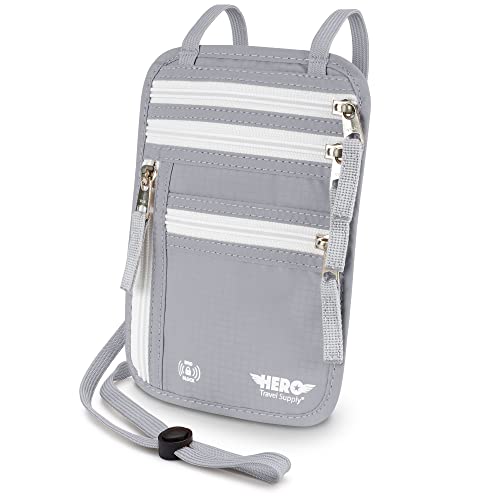
Neck Wallet, RFID Blocking Passport Holder
$25.95
Buy Now
We earn a commission if you make a purchase, at no additional cost to you.
01/04/2026 04:01 am GMT
athens santorini mykonos

Plaka, Athens

You may also like

The post SANTORINI, NAXOS & ATHENS appeared first on Greece Travel Secrets.
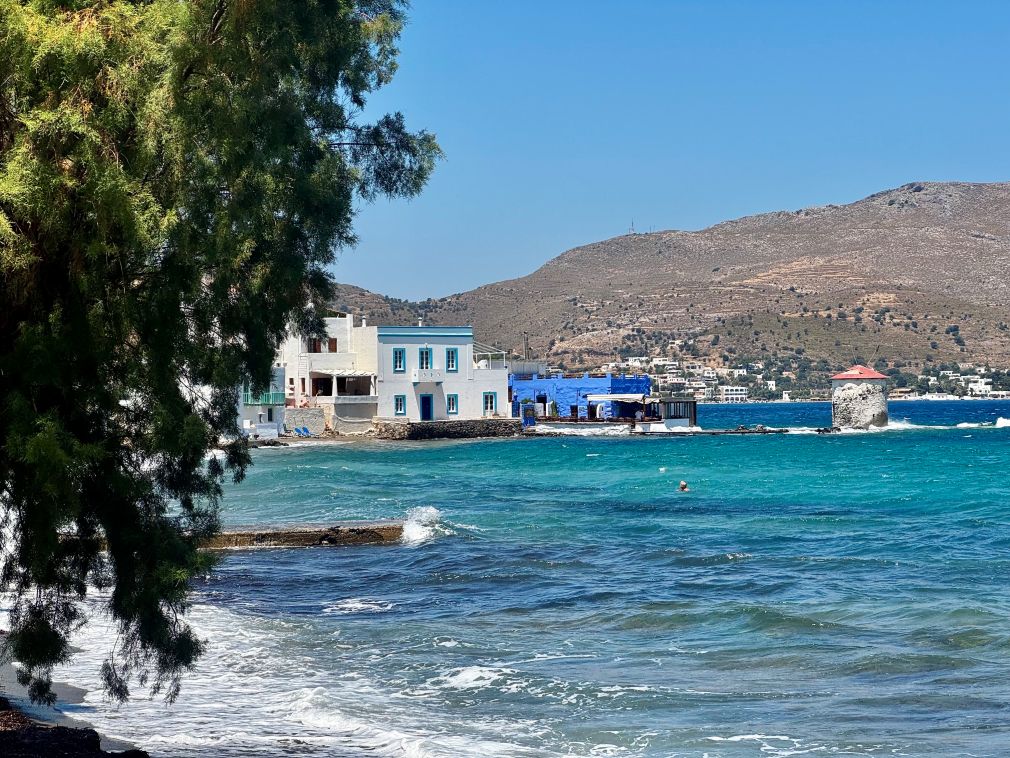
  •  

TOURS IN EPIRUS

Epirus is one of Greece’s most striking and least-visited regions, and it’s best explored with people who know how it actually works. Epirus Traveller, based in Ioannina, offers guided tours and experiences that focus on the landscapes, villages and traditions that define this rugged corner of Greece. Tours range from short half-day outings to full-day and multi-day experiences, with an emphasis on nature, culture and local life rather than rushed sightseeing.

things to do in Ioannina

Private Tours in Epirus

Most tours run in small groups or privately, allowing for a flexible pace and a more personal experience. Expect comfortable transport, English-speaking local guides and itineraries designed to make sense of Epirus’ mountainous terrain and scattered highlights.

Experiences include :

• Guided walking and hiking tours through Epirus’ gorges, mountains and national parks
• Cultural and village tours focusing on traditional settlements, monasteries and local history
• Food and culinary experiences including markets, cooking and regional cuisine
• Scenic landscape tours combining rivers, lakes, coastline and inland highlights
• Small-group and private tours with flexible pacing
• Bespoke and custom-designed itineraries based on interests, timing and fitness level

Transport and pick-ups are typically included in the tour, which removes much of the logistical complexity of travelling around Epirus independently.

These tours are best suited to travellers who want depth, context and access to places that are difficult to plan alone, without the pressure of large groups or rigid schedules.

things to do in Ioannina

Ioannina

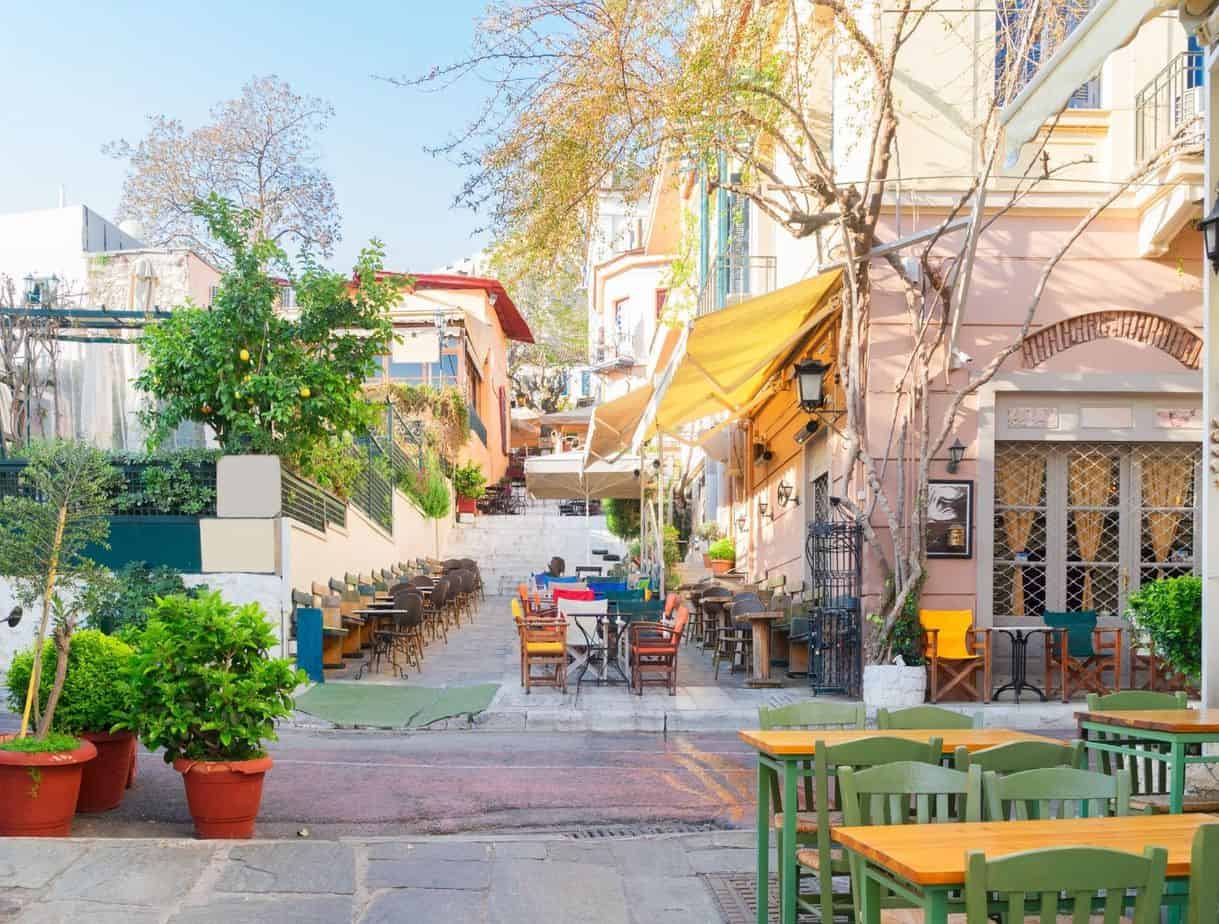
Papingo

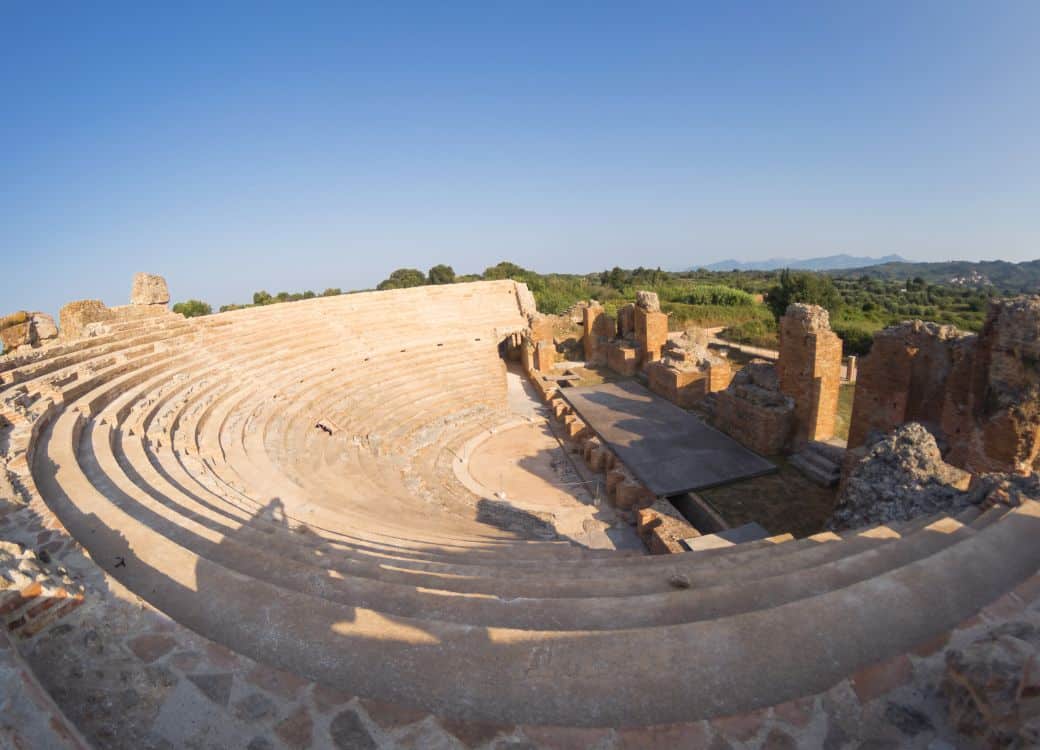
Nikopolis Theatre

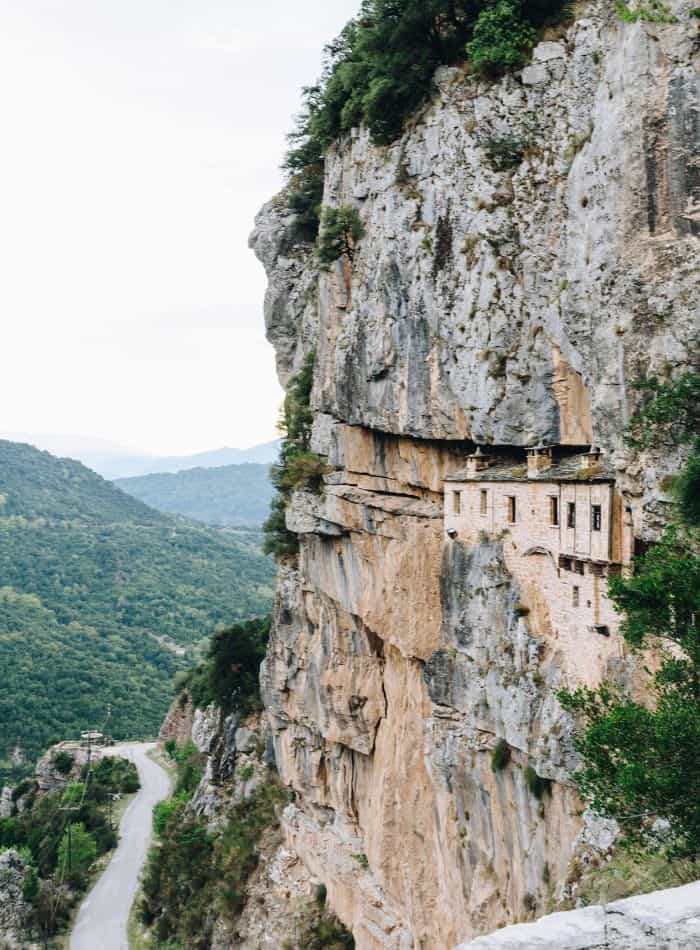
Kipina Monastery

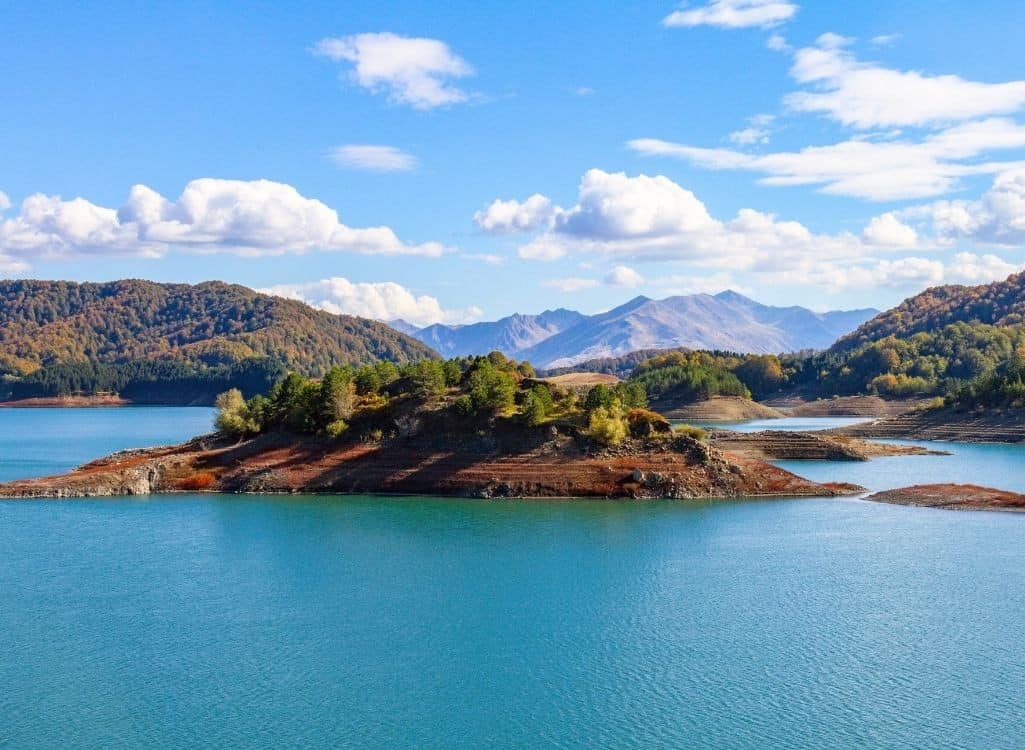
Aoos Lake Metsovo

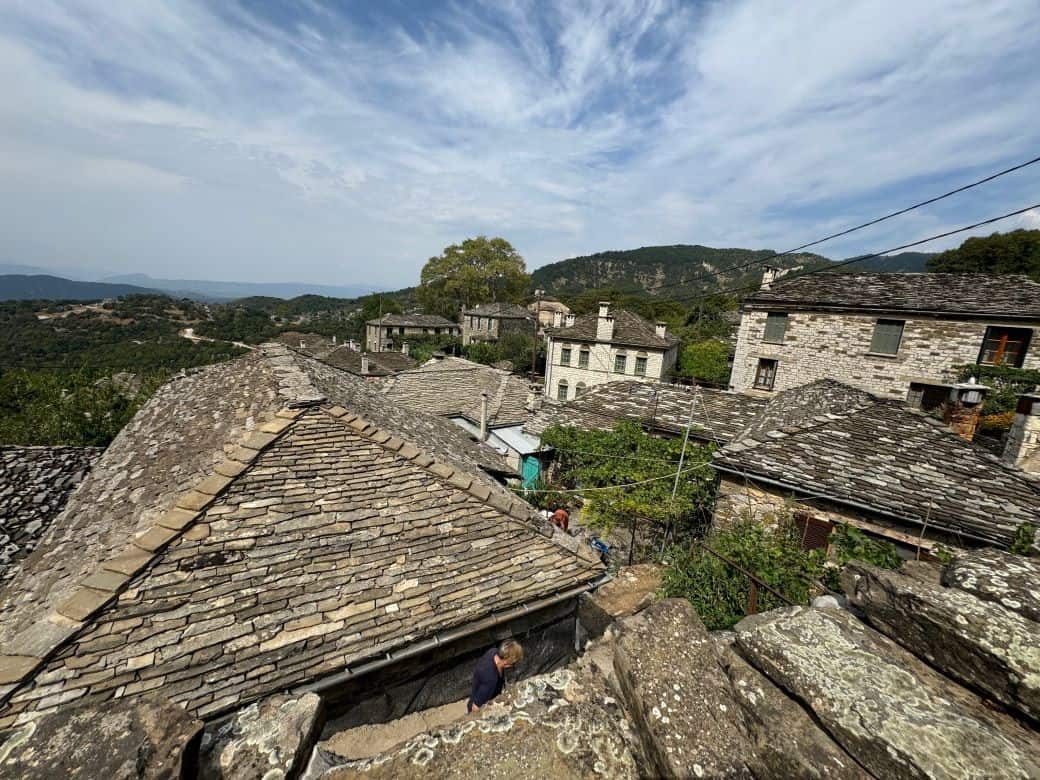
zagori villages

Vikos Gorge

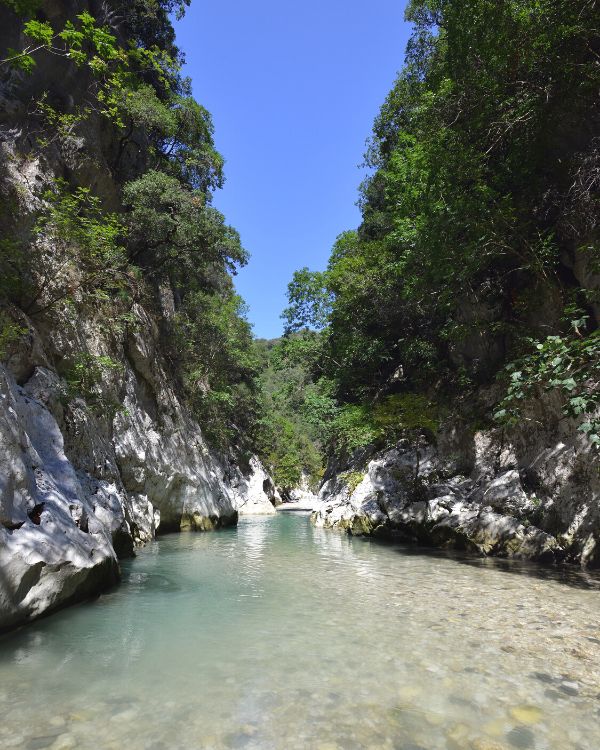
Acheron River

YOU MAY ALSO LIKE

The post 3 DAYS IN ATHENS – A COMPLETE ITINERARY appeared first on Greece Travel Secrets.
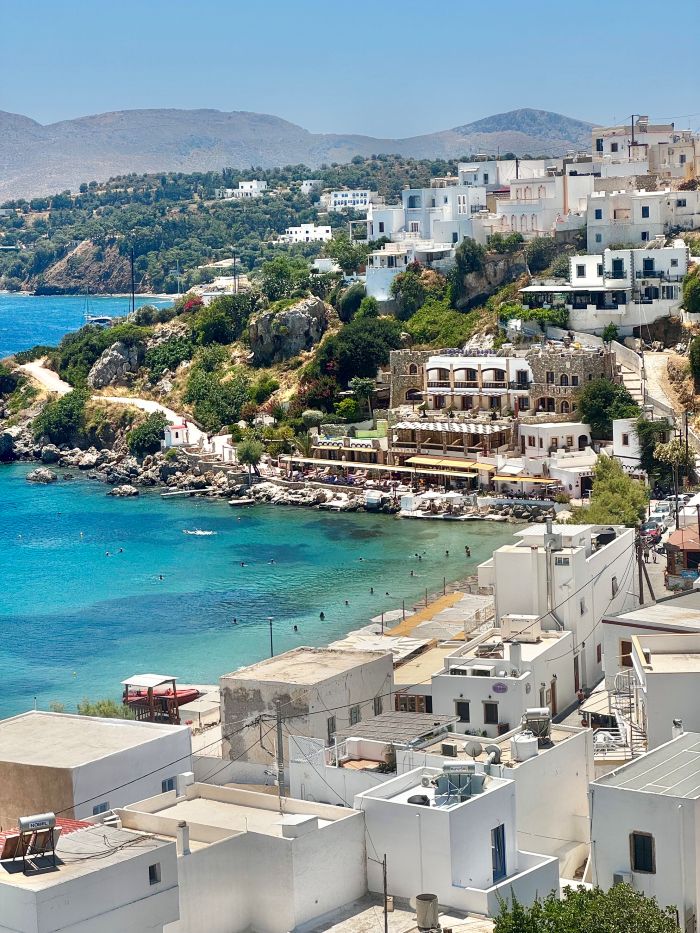
  •  

VISIT ANTIPAROS CAVE

Antiparos is a small island located just off the west coast of Paros. Antiparos Cave is the island’s most important natural attraction, and one of the oldest documented caves in Greece, with evidence of human activity stretching back thousands of years.

how to get to Olympia

What is it

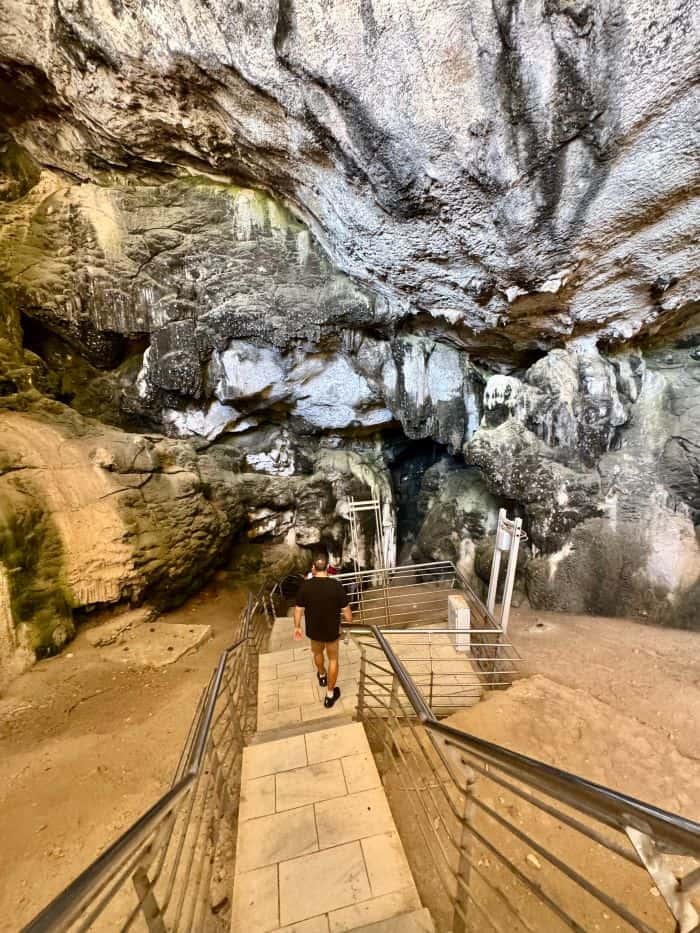
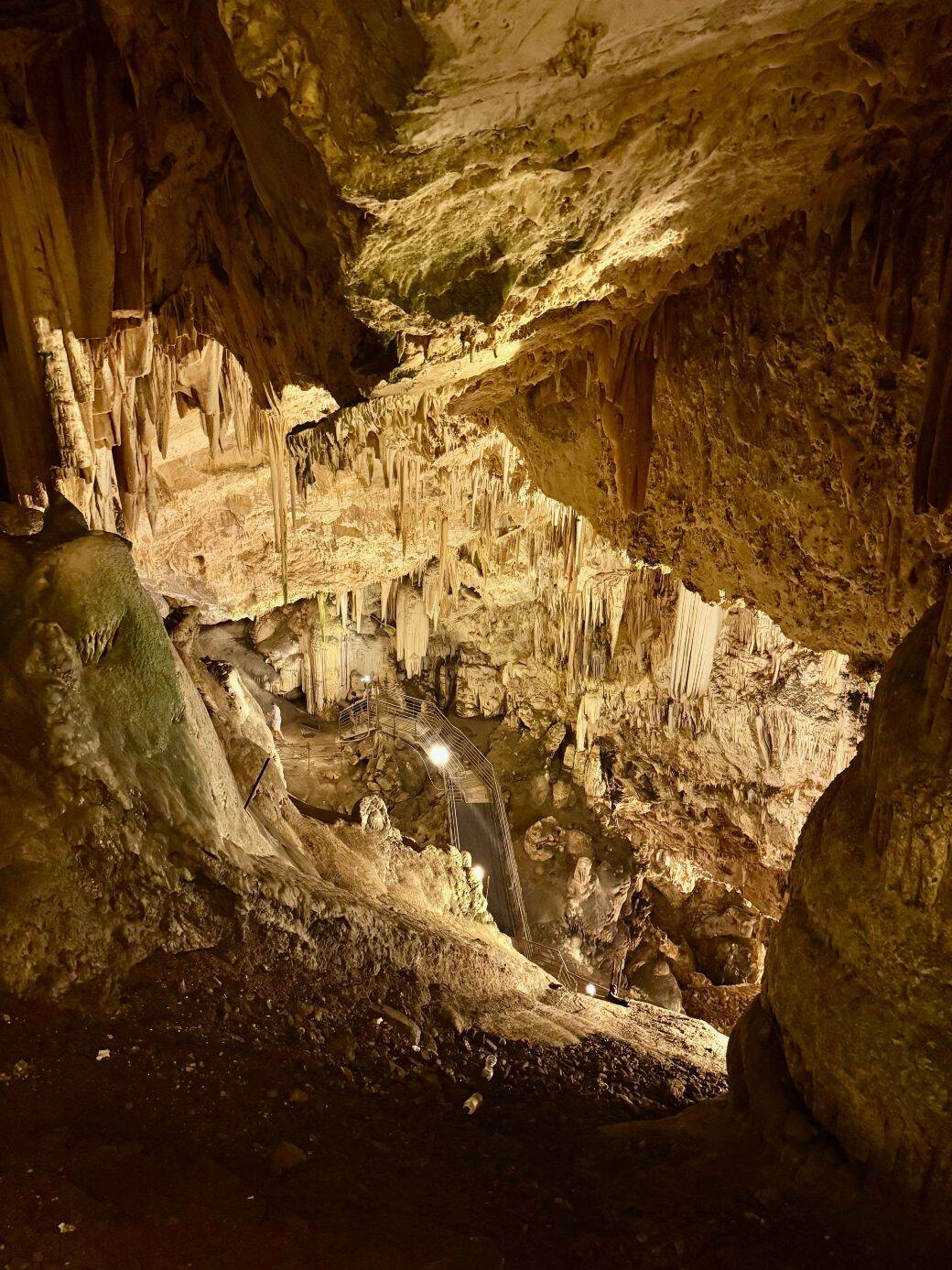
Antiparos Cave is the deepest vertical cave in Europe. It has a depth of around 85 metres, reached via a series of platforms and walkways, ending in a cavern filled with stalactites and stalagmites that took millions of years to form. 

The central feature is a massive limestone column, a stalagmite that geologists date to around 45 million years old, making it the oldest in Europe. 

The cave has played many roles throughout history. Ancient inhabitants used it as a shelter and ceremonial site and you can see inscriptions carved into the stone, including one attributed to Makedon, a companion of Alexander the Great. Lord Byron also left his moniker on a wall.

In the 1600s, a French ambassador decided to hold Christmas Mass inside the cave for hundreds of people, who are believed to have left the first graffiti inside.

The descent is steep, but the upper chamber is broad and relatively bright. As you descend, the formations become darker, and everything becomes more intricate and dramatic.

Huge stalactites hang like threads, heavy curtains of stone sweep across the walls, and thick columns rise from the floor. 

How to get to Antiparos Cave

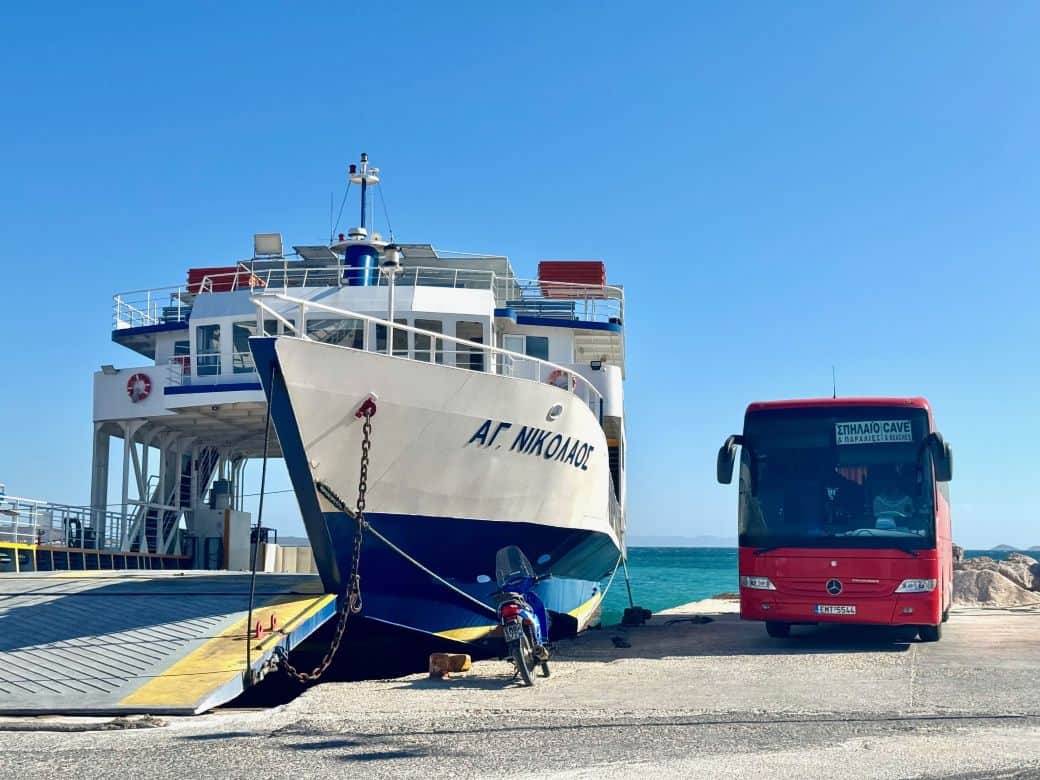
Antiparos is connected to Paros by a short ferry ride from Pounda, running every 10 to 15 minutes between May and October. The crossing takes just 7 minutes and drops you right in Antiparos Town. From there, you can reach the cave by road, which is about 15 minutes south of Antiparos Town.

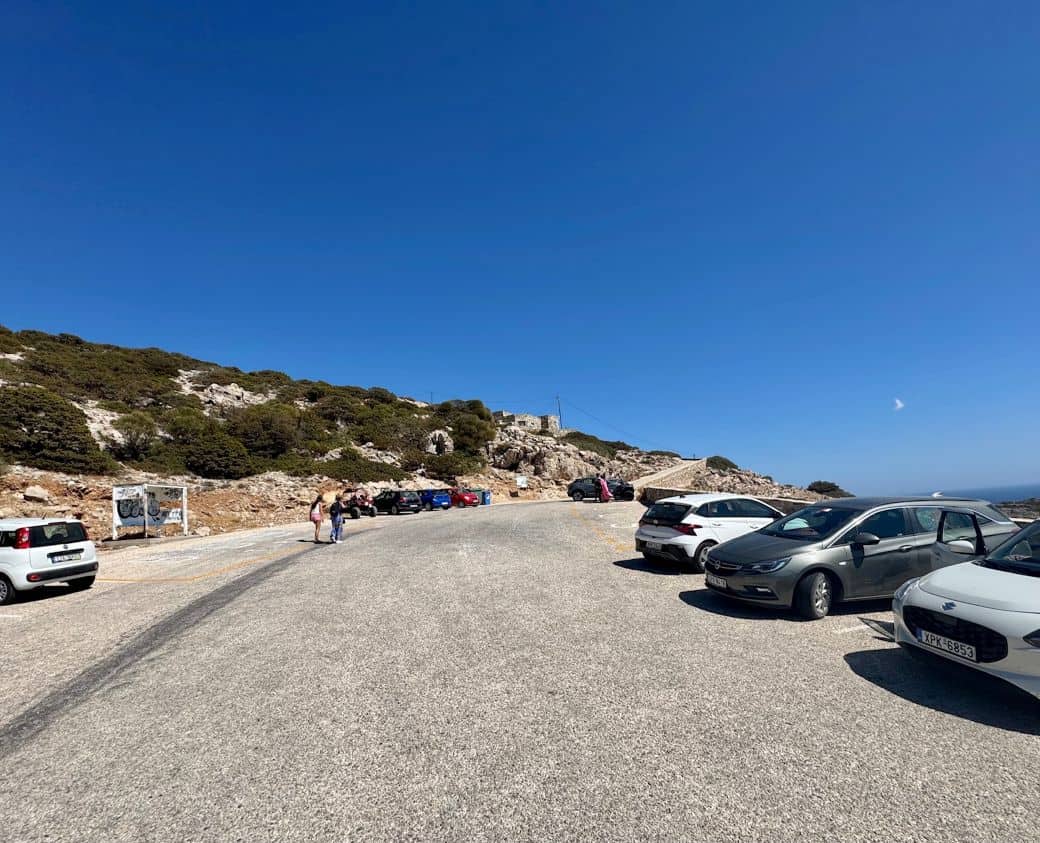
Driving or hiring a scooter is the most straightforward approach. The road is sealed for most of the journey, signage is clear, and there’s a large parking area at the entrance.
The local bus runs between Antiparos Town and the cave several times per day in summer, and stops right outside the entrance.

Taxis are also an alternative, but you will need to pay for the driver to wait if you don’t want to catch the bus back.

  • Tours there are some organised tours for Antiparos Cave from both Parikia, on Paros and in Antiparos Town.

how to get to Olympia

Opening hours and admission price

Entry is inexpensive and includes access to the cave and the small whitewashed chapel of Agios Ioannis Spiliotis, located at the entrance.

Prices may change year to year, but the fee is quite modest.

In 2025, the admission prices to Antiparos Cave were:

Adults – €5

Over 65 – €2.50

Children 6 to 12 – €2.50

Under 6 – free

Groups of 15 or more – €4

Opening hours depend heavily on the season.

May – October 10:00 am to 4:00 pm (last entry at 3:30pm)
Winter: Frequently closed or open only on certain days.

What to expect

Most visitors spend around an hour visiting the cave.

The stairs are metal and well-maintained, but they do collect condensation, so wear shoes with a grip rather than sandals. The railings can also feel a little slimy from the moisture.

The temperature does drop as you get deeper, so a light jacket or cardigan is a good idea if you plan to stay long.

If you’re visiting during July or August, it pays to arrive early. The first hour of the day is quiet, the lighting is gentle, and you get to take in the space without dodging crowds. Afternoons tend to be busier, especially when buses arrive and tour groups arrive from Paros.

There are no night tours and no standard guided sessions unless arranged privately.

You may also like

The post 3 DAYS IN ATHENS – A COMPLETE ITINERARY appeared first on Greece Travel Secrets.
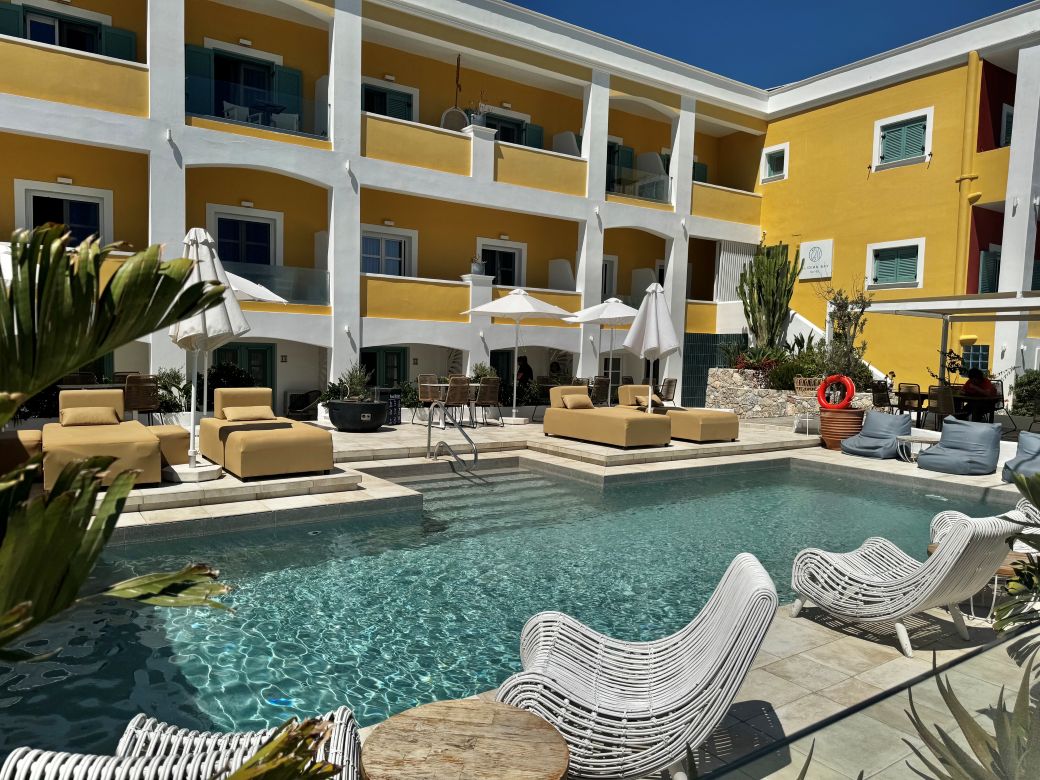
  •  

A COMPLETE GUIDE TO AGIOS NIKOALOS, CRETE

Agios Nikolaos is one of the most picturesque towns in Crete, known for its beautiful lake, seaside promenade, and relaxed atmosphere. Located in the island’s east, it combines coastal charm with easy access to some of Crete’s most scenic drives and historic sites. Whether you’re visiting for a few days or basing yourself here for longer, there are plenty of things to do in and around Agios Nikolaos.

what to do in rethymnon

PLANNING A TRIP TO GREECE?

Be sure to check out our complete Planning Guide as well as our FREE 13-page downloadable itinerary.

And come join our private Facebook Group, where you can ask questions and get advice from real travellers!

Note: This article may contain affiliate links. 

When to visit Crete

May, June, September, and October are ideal times to visit for good weather, manageable crowds, and reasonable prices. If you prefer the lively summer vibe, July and August are great, but like most places, expect hotter weather, more tourists and higher prices.

Spring (April – June)

  • Highlights: Mild weather, fewer tourists, spring flowers.
  • Average Temperatures:
    • April: 16°C (61°F)
    • May: 19°C (66°F)
    • June: 23°C (73°F)

Summer (July – August)

  • Highlights: Peak tourist season, ideal for beach activities, lively atmosphere.
  • Average Temperatures:
    • July: 27°C (81°F)
    • August: 27°C (81°F)
    • Daytime highs can reach 30°C (86°F) or more.

Autumn (September – October)

  • Highlights: Warm sea temperatures, quieter beaches, pleasant weather.
  • Average Temperatures:
    • September: 25°C (77°F)
    • October: 20°C (68°F)

Winter (November – March)

  • Highlights: Quiet and peaceful, good for cultural exploration but limited beach activities,
  • Average Temperatures:
    • November: 17°C (63°F)
    • December-February: 14°C (57°F)
    • March: 15°C (59°F)

Where is Agios Nikolaos, and how do you get there?

Agios Nikolaos sits on the western shore of Mirabello Bay in eastern Crete, about an hour’s drive from Heraklion. 

How to get to Agios Nikolaos:

From Athens, you can travel to Rethymnon by plane or ferry.

Agios Nikolaos is around 62 kilometres east of Heraklion, the capital of Crete. The drive takes about an hour via the main northern coastal highway.

There’s no airport in Agios Nikolaos, so most visitors fly into Heraklion International Airport (HER) and either hire a car or take a bus from the main KTEL terminal next to the airport.

Buses run several times a day between Heraklion and Agios Nikolaos, continuing east toward Ierapetra and Sitia. If you’re coming from Chania, it’s roughly a three-hour drive across the island.

What makes it special?

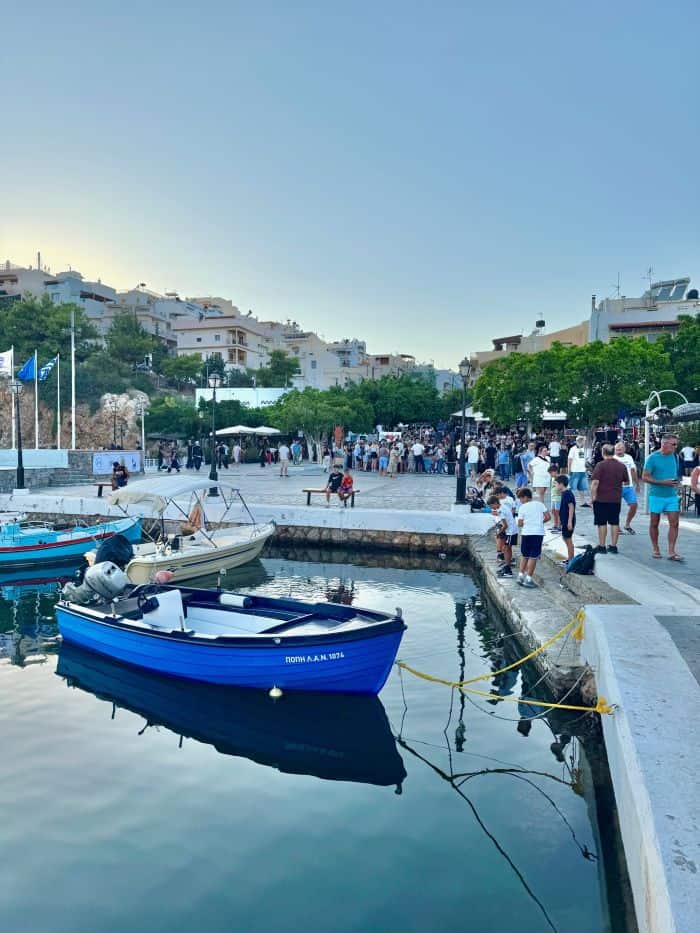
The town’s centre wraps around Lake Voulismeni, a striking, almost circular lake connected to the sea by a short canal. According to local legend, the goddess Athena once bathed here. Today it’s surrounded by cafés and tavernas and forms the heart of local life.

Unlike larger Cretan cities, Agios Nikolaos feels intimate and walkable, with everything close to the waterfront. It’s also an excellent base for exploring the region of Lasithi, known for its mountain villages, archaeological sites, and relaxed beaches.

It is the perfect base to explore Eastern Crete which is not as busy as Western Crete and Chania in particular. There are many luxury hotels to the north, in and around Elounda, yet the town itself feels very local and authentic.

Things to do in Agios Nikolaos 

Visit Lake Voulismeni

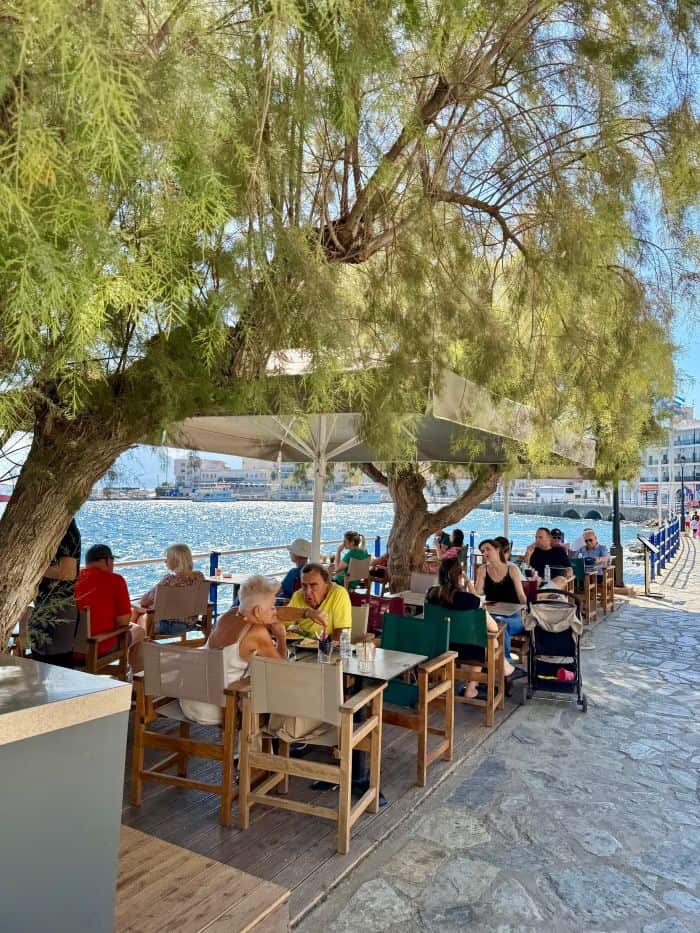
The town’s central lake is its most recognisable feature. It’s a small, deep body of water framed by cliffs on one side and cafés on the other. You can walk right around it, stop for coffee, or dine at one of the many lakefront tavernas in the evening.

At night, the reflections of the lights across the water make this one of the most photogenic spots in Crete.

Explore the Marina and Harbourfront

From the lake, it’s an easy stroll to the harbour and marina. Fishing boats and small yachts line the waterfront, and you’ll find several relaxed bars and seafood restaurants. It’s also where many of the daily cruise boats depart for Spinalonga Island or nearby coves.

Relax on the Beaches

There are several good beaches within walking distance of the town centre:

  • Ammos Beach – a small, sandy beach close to the marina, ideal for a quick swim.

  • Kitroplatia Beach – located in the heart of town with tavernas nearby.

  • Almyros Beach – a larger beach about 15 minutes on foot from the centre, set beside a small river and surrounded by tamarisk trees.

For quieter options, drive east along the coast to Ammoudara or further south to Voulisma Beach near Istron, one of the most beautiful beaches in eastern Crete.

Take a Boat Trip to Spinalonga Island

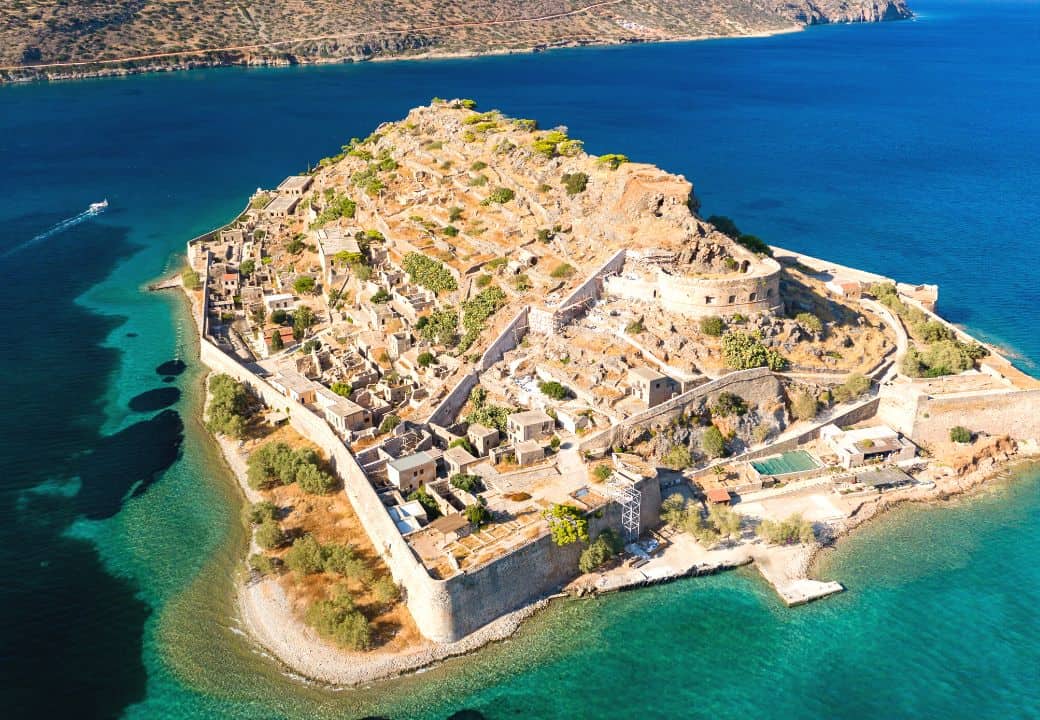
Spinalonga is one of Crete’s most famous landmarks, a former Venetian fortress that later became a leper colony. Boats depart regularly from nearby Elounda or Plaka, both about a 15–20 minute drive north of Agios Nikolaos.

A visit here offers insight into Crete’s layered history as well as striking views over Mirabello Bay. Allow half a day for the trip.

Further reading: A Complete Guide to Spinalonga

Visit Nearby Villages

Several traditional villages surround Agios Nikolaos and make excellent short trips:

  • Kritsa – one of Crete’s oldest and most picturesque mountain villages, known for its narrow streets, local craft shops, and nearby Byzantine church of Panagia Kera.

  • Elounda – a seaside village north of town, home to some of Crete’s most luxurious resorts.

  • Plaka – just past Elounda, this small, charming village is the closest to Spinalonga 
  • Sissi – a small harbour village to the west, perfect for a quiet lunch by the sea.

Archaeological Museum of Agios Nikolaos

This small but well-curated museum holds artefacts from eastern Crete, including items from Minoan and early Greek settlements. It’s an ideal stop for history enthusiasts, especially before or after visiting sites like Lato, an ancient Dorian city located a short drive inland.

Paralia Kitroplatia

Day Trips from Agios Nikolaos

Agios Nikolaos is perfectly located for exploring the eastern part of Crete:

Elounda and Plaka – for coastal scenery and easy access to Spinalonga.

Lasithi Plateau – a fertile plain dotted with windmills and small villages.

Vai Beach – the famous palm forest beach near Sitia, about two hours east.

Voulisma Beach – Macrame Beach Club

Knossos and Heraklion – if you haven’t already explored Crete’s capital and Minoan palace.

Hike the Richtis Gorge – About 40 minutes east of town lies Richtis Gorge, one of Crete’s most scenic walking trails.

things to do in crete

Knossos Palace

Where to stay in Agios Nikolaos

There’s a wide range of accommodation from simple guesthouses to luxury resorts.

In town, options like Minos Palace Hotel & Suites, Minos Beach Art Hotel, and the newly renovated and branded  Intercontinental offer modern comfort and beach access within walking distance of cafés and restaurants.

If you want to stay somewhere small and right in the heart of town, on the lake or harbour, then Lato Luxury Suites have affordable, self-contained rooms with great views, or Casa Porto Boutique Hotel is just along the harbourfront and has a great rooftop bar too.

A lot of people also like to stay up the road at Elounda which is renowned for its luxury hotels and excellent restaurants. Check out Elounda Beach Hotel, Elounda Gulf Villas, or Blue Palace Elounda, all within a short drive and ideal for combining relaxation with day trips into town.

Interncontinental Crete

Luxury Suites by Lato

Where to Eat and Drink

Agios Nikolaos has an excellent food scene with plenty of waterfront dining.

Overall, we find the quality here to be very high and cheaper than in Chania or even Rethymnon. Try local specialities such as dakos, stifado, grilled octopus, and the region’s own Cretan wine and raki.

  • Around the lake you’ll find tavernas serving fresh seafood and local Cretan dishes. A standout is Karnagio who also have a Gyros shop across the street.

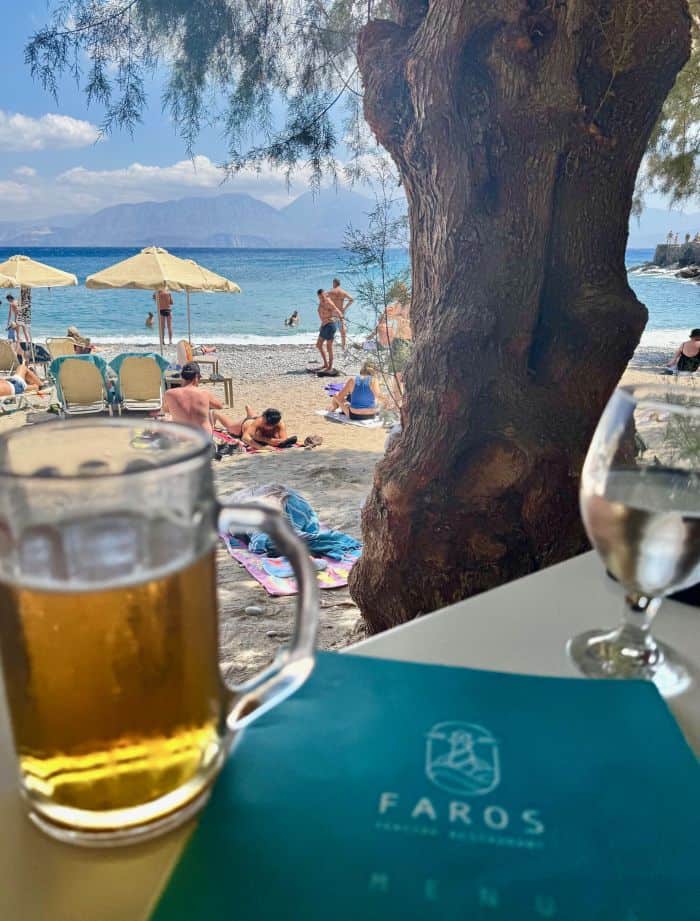
  • For a casual lunch, head to the marina or beachside cafés at Kitroplatia or Almyros. A lot of people love Mistral at Kitroplatia but we found Faros and Archontiko to be just as good and not as busy.

  • For dinner Almiriki at the end of Ammos Beach is excellent but you must book in advance in summer. There are several excellent gems in the back streets too such as Yiasemi and Se-Meli.
  • In nearby Elounda, several fine-dining restaurants feature creative Mediterranean menus with views across the bay. Despina’s is a favourite of many locals.

Yiasemi

How long to stay?

Like the other main cities of Crete – Chania, Rethymnon and Heraklion, Agios Nikaloas can easily use 3 days and really, given the number of days trips you can do if using it as a base, 5 would not be unreasonable.

Suggested itineraries for Rethymnon


3-Night Itinerary for Agios Nikolaos

Day 1

  • Morning: Explore Lake Voulismeni and the marina area.

  • Midday: Relax on Ammos or Kitroplatia Beach.

  • Afternoon: Visit the Archaeological Museum and nearby churches.

  • Evening: Dinner by the lake or along the harbourfront.

Day 2

  • Morning: Drive to Elounda or Plaka and take the boat to Spinalonga Island.

  • Afternoon: Lunch in Plaka, followed by a short swim or stroll through Elounda village.

  • Evening: Return to Agios Nikolaos for a relaxed drink by the water.

Day 3

  • Morning: Drive to Kritsa and visit the Panagia Kera church.

  • Midday: Continue to the Lasithi Plateau or hike the Richtis Gorge if you prefer nature.

  • Afternoon: Stop at Voulisma Beach for a swim on your way back.

  • Evening: Dinner in town, watching the sunset over Mirabello Bay.

The post SANTORINI, NAXOS & ATHENS appeared first on Greece Travel Secrets.
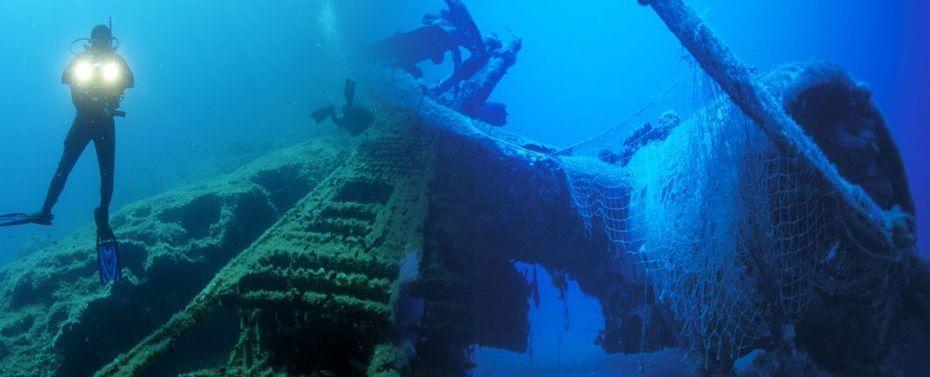
  •  

VISIT THE HOME OF EL GRECO – FODELE, CRETE

Fodele is a beautiful village tucked into the northern coast of Crete, that is where the famous artist El Greco was from.

It’s surrounded by green hills, orange groves, and olive trees, sitting peacefully in a fertile valley that feels a world away from the bustle of the highway above. Only minutes off the main highway yet overlooked by most, this is a detour worth making a little time for.

PLANNING A TRIP TO GREECE?

Be sure to check out our complete Planning Guide as well as our FREE 13-page downloadable itinerary.

And join our private Facebook Group where you can ask questions and get advice from real travellers, or book a 1:1 Consultation with Sandy – our Founder and highly aclaimed Greece expert.

Note: This article may contain affiliate links. 

Where is Fodele?

Fodele is located about half an hour west of Heraklion and roughly an hour east of Rethymno.

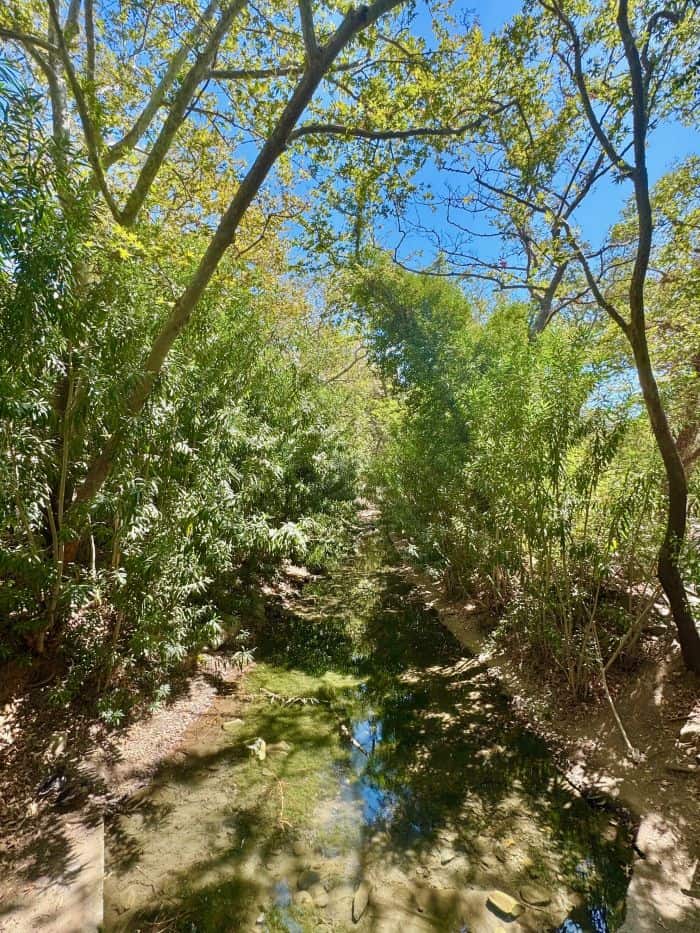
The village itself sits slightly inland, around 50 to 60 metres above sea level, where a small stream winds its way through shady plane trees and stone houses.

It is well signed from the main highway and easy to find with the turn off opposite Paralia Fodele beach, into the lush valley – it’s a lovely part of the island, and often overlooked.

What is it famous for?

Fodele has a reputation that far outweighs its size, and its all about its most famous resident – actually one of the most famous to come out of Greece!

The village was the birthplace of Domenikos Theotokopoulos, better known as El Greco — the Cretan-born painter who became one of the greatest figures of the Spanish Renaissance. 

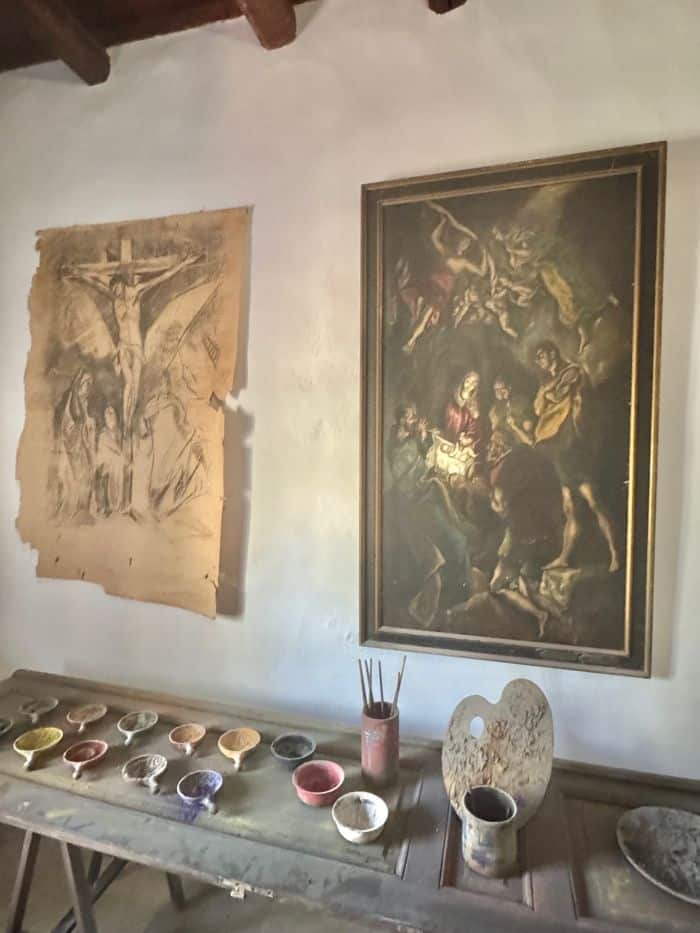
You can visit a small museum housed in what’s believed to be his family home, where you’ll find reproductions of his most famous works and a good sense of his connection to Crete.

Aside from its artistic heritage, Fodele is also known for its citrus orchards. The fertile soil and fresh water from the nearby hills produce some of the juiciest oranges and mandarins on the island. When the trees are in bloom, the scent alone makes a visit worthwhile. The local economy still revolves around agriculture, and you’ll often see crates of oranges being sold at roadside stalls or in tavern courtyards.

The village is also known for its lush, shaded riverbanks, where the Pantomantris River runs beneath a canopy of tall plane trees — a rare sight on such a sun-baked island. Combined with its slow rhythm and friendly locals, Fodele feels like a pocket of old Crete that’s managed to stay authentic while welcoming visitors.

There’s also a touch of ancient history hidden in its soil. Archaeologists believe that nearby Fodele Bay may once have been the harbour of Astali, the port of the ancient city of Axos. You won’t find major ruins, but knowing this background adds another layer to the area’s long and fascinating story.

What is there to do in Fodele?

Fodele is small enough to explore on foot, yet rich enough to keep you busy for a day or two.

  • Start with the El Greco Museum, just outside the village centre. The building itself is charmingly simple, and while the artworks are reproductions, the exhibition gives real insight into El Greco’s life before he left Crete for Venice and then Spain. Art lovers will enjoy the connection to a world-famous painter in such a humble setting.
  • Byzantine Church of the Panagia, built between the 11th and 14th centuries over the remains of an early Christian basilica. Its stone walls and fading frescoes are a reminder of how long people have worshipped in this valley.
  • If you have a car, drive a little further into the hills to visit the Monastery of Agios Panteleimon, a 16th-century complex that once served as both a refuge and a fortress. The views from up there stretch across the valley to the sea.
  • Walking Trails – you can follow the river through the orange groves, stop for lunch beside the water, or take one of the marked paths that lead into the hills. In spring, the valley bursts with wildflowers, and in summer, the shade along the river makes it one of the coolest spots in Crete — literally and figuratively.
  • Hiking – look for the Fodele Gorge (Santorinios Gorge), a rugged route lined with rocks, fig trees and, after heavy rain, a few small waterfalls. It’s not a touristy path, so wear good shoes and bring water, but it’s a rewarding adventure.
  • Paralia Fodele – this is the beach on the coast. It is long and mostly sandy, with a few pebbly sections. One end is organised with sunbeds and umbrellas and a couple of (very good) tavernas, while the other stays more natural and relaxed. The water here is clean and usually calm, perfect for swimming, kayaking, or just lazing the day away.
  • Fodele Beach & Water Park Holiday Resort – located right on Paralia Fodele this is a sprawling all-inclusive property that’s popular with families. It has everything from pools and water slides to spa facilities, several restaurants, and easy beachfront access. This is one of the better AI options in Crete as it isnt sharing the bay or the beach with many other big resorts and masses of people.
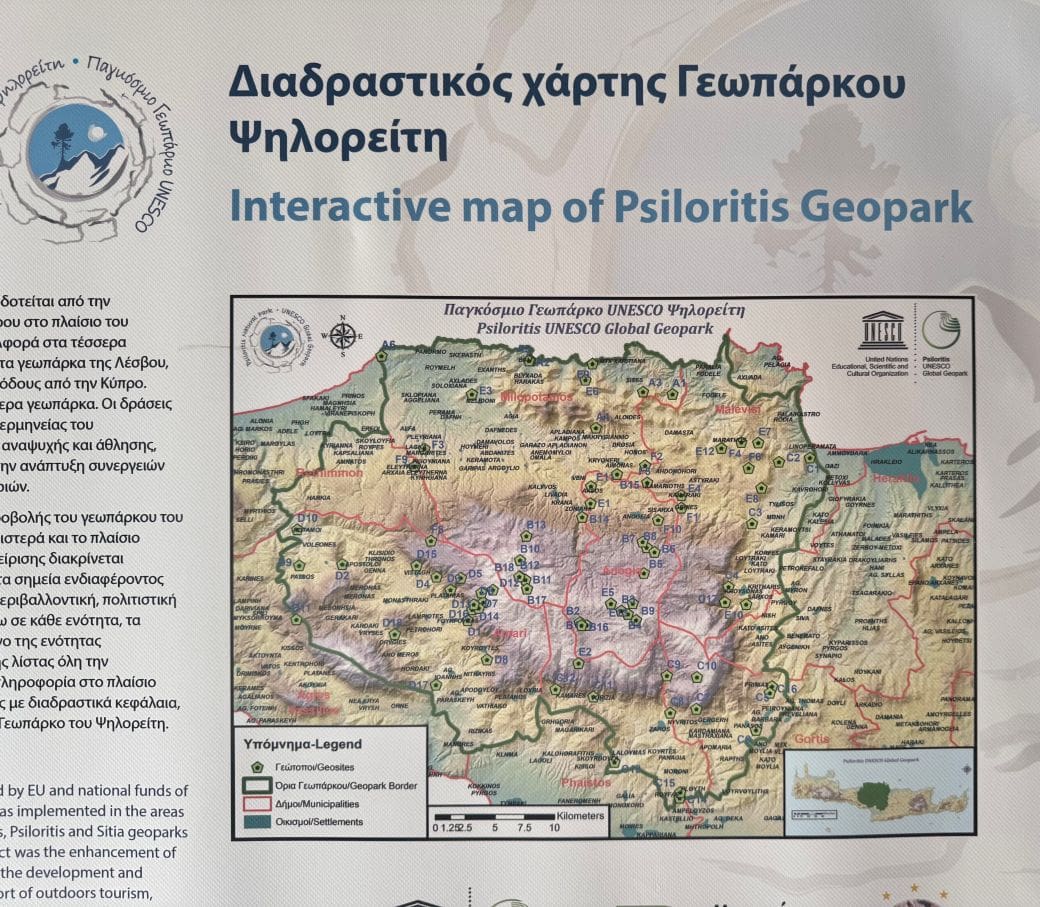
  • Psiloritis UNESCO Global Geopark – stretches across much of central Crete. This vast protected area covers ancient rock formations, gorges, caves and fossil sites that tell the story of how Crete rose from the sea millions of years ago.
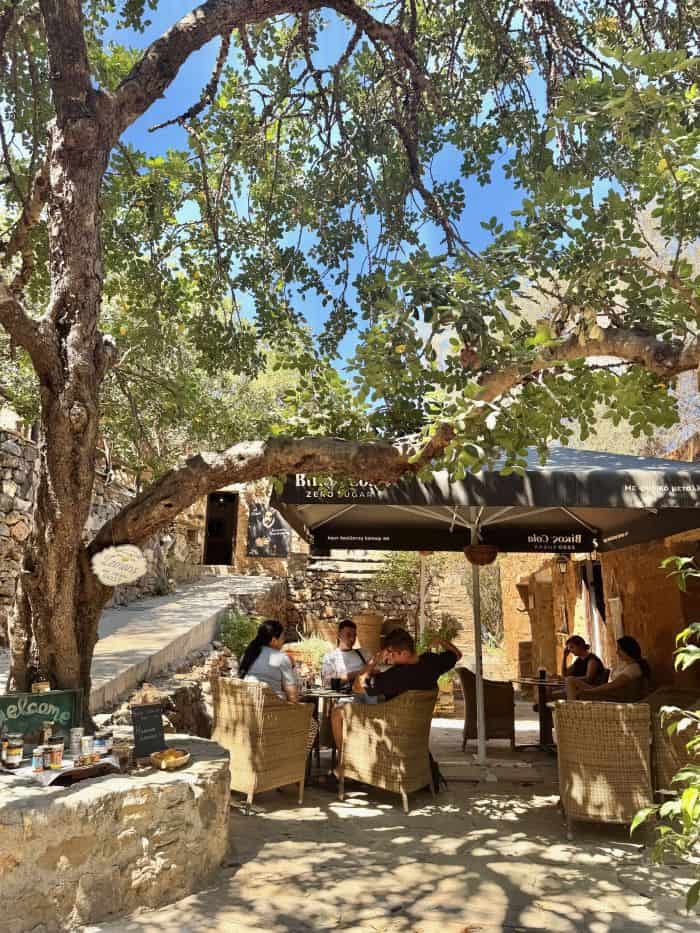
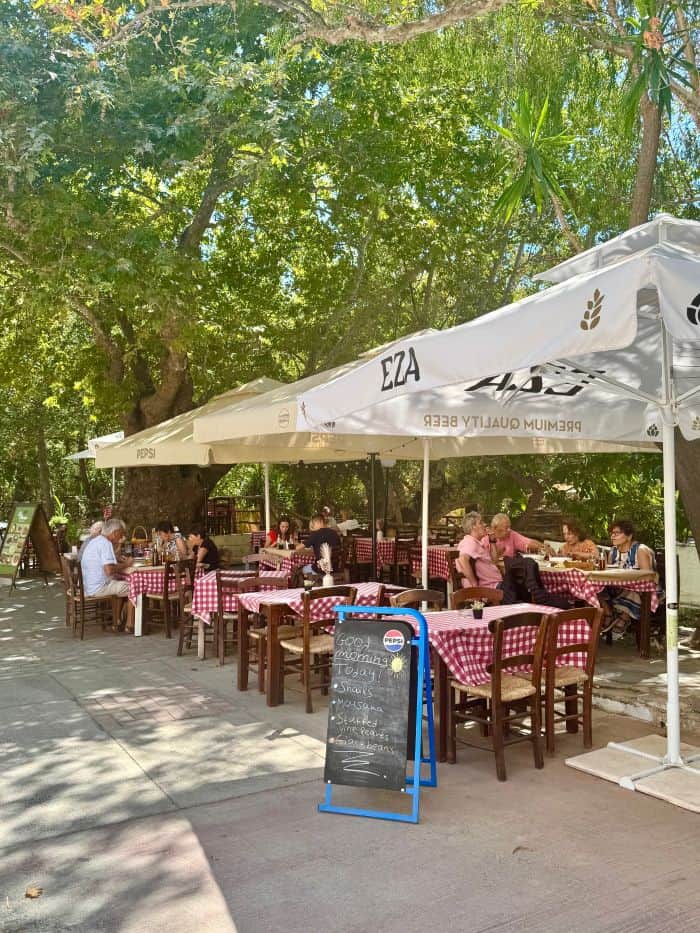
  • Fodele Village – there are several tavernas that serve excellent Cretan food, often under the shade of the plane trees or beside the lush creek, full of frogs, ducks and Geese. Look for dishes like slow-cooked lamb, fresh salads with local olive oil, and desserts made with orange syrup or honey. Pair it with a glass of raki or local wine and you’ve got a meal worth lingering over.
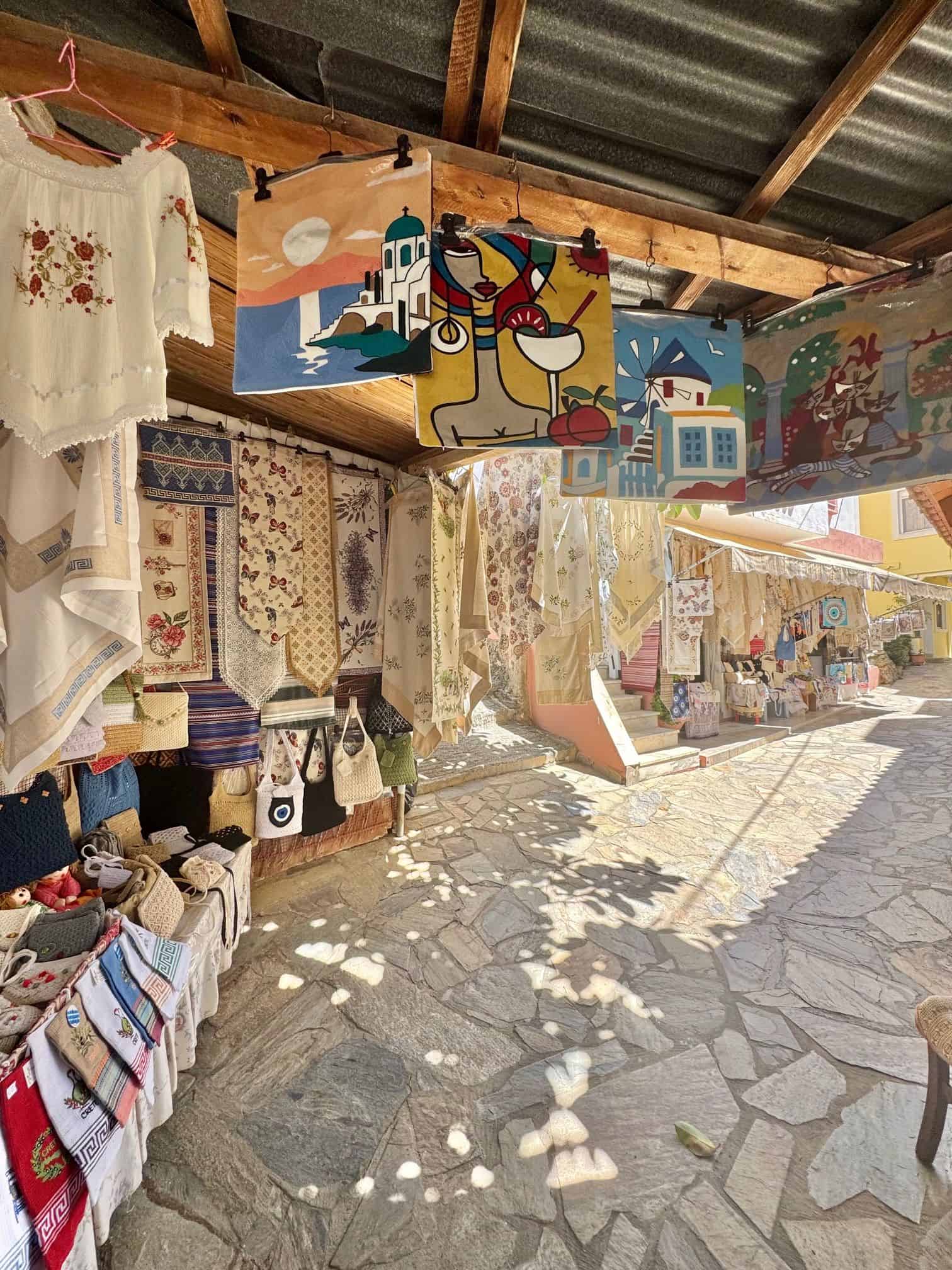
  • Souvenir Street – a handful of small craft and souvenir shops selling handmade pottery, woven textiles, and natural products like orange-blossom soap and olive oil. These are genuine local businesses, not the mass-produced kind you’ll find in resort towns. The lacework is exquisite.
  • The festival of Agios Panteleimon on the 27th of July. There’s live music, traditional dancing, and enough grilled meat and wine to feed half of Crete. It’s a great time to see how locals celebrate — with warmth, laughter, and a few late nights.

Where to stay in Fodele

There are no hotels in Fodele itself. It’s a sleepy village that probably wouldn’t see any tourists at all if it weren’t for El Greco, and thankfully, it hasn’t​ yet justified the opening of tourist accommodation. There are a few traditional rooms and small villas scattered across the region, though.

You can stay at the aforementioned all-inclusive Fodele Beach & Water Park Resort, right on the beach —​a great option if you have kids.

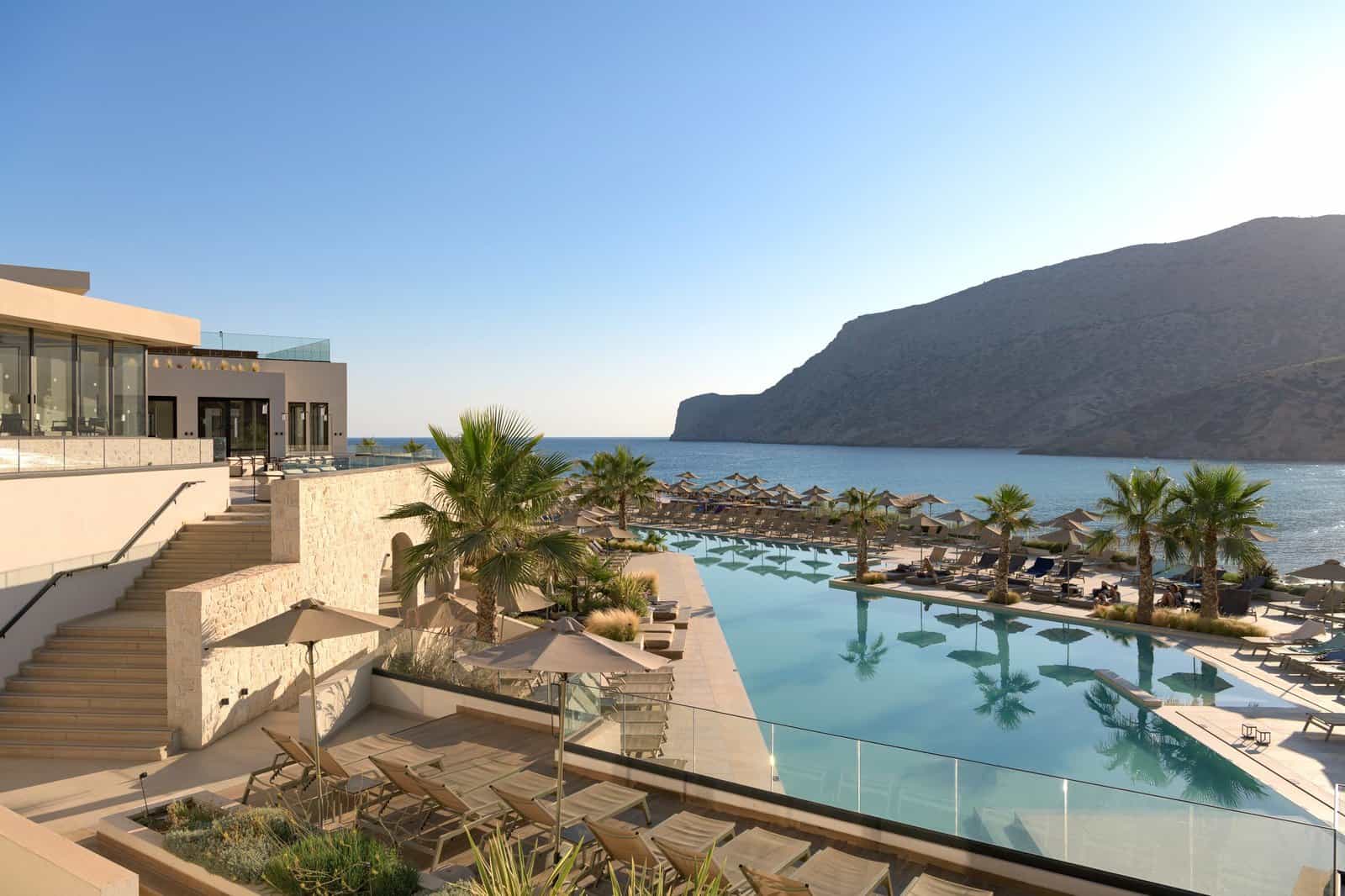
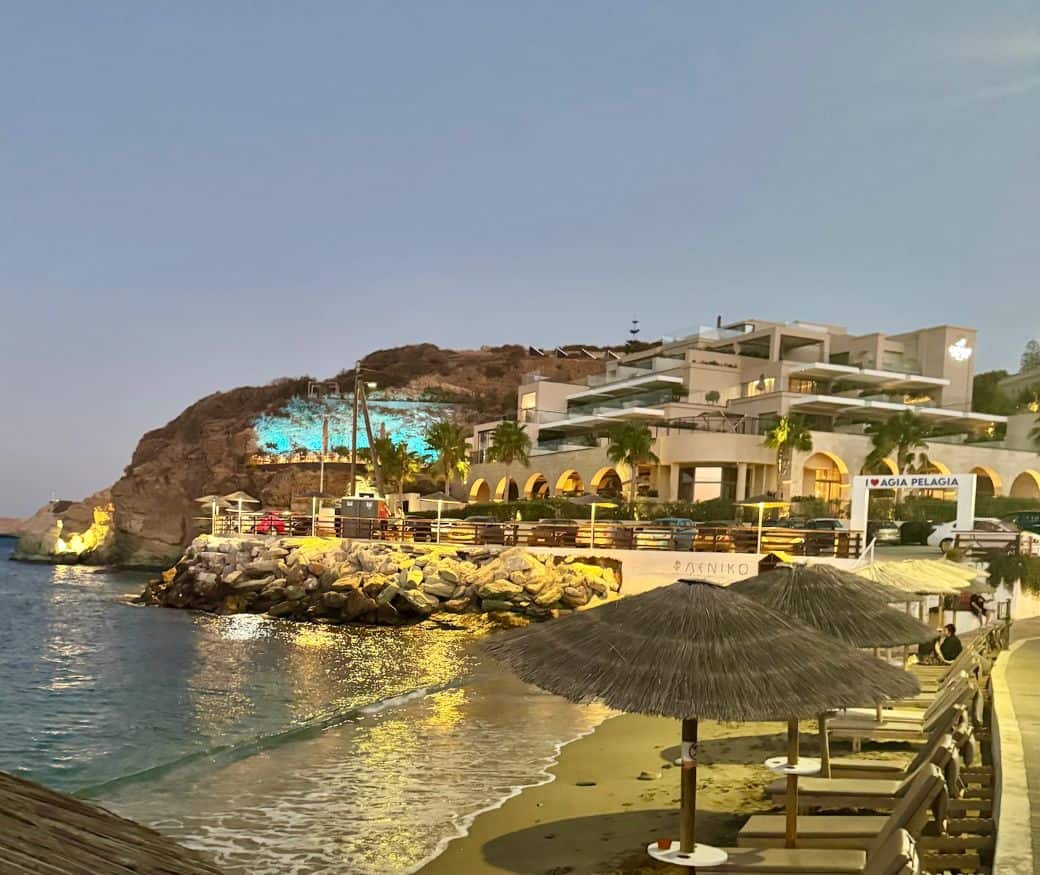
If you would prefer no kids at all, Castello Infinity Suites in nearby Agia Pelagia is a lovely option, and there are many beautiful beaches to explore on the 30-minute ​drive.

fodele crete

The post SANTORINI, NAXOS & ATHENS appeared first on Greece Travel Secrets.
  •